

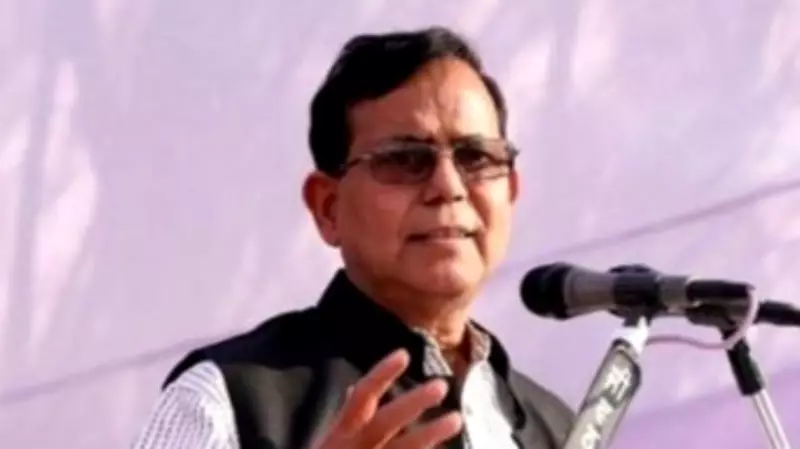
CPIM Leader Mohammed Salim Holds Crucial Talks with Humayun Kabir Ahead of West Bengal Assembly Elections
In a notable political maneuver ahead of the highly anticipated West Bengal Assembly polls, senior Communist Party of India (Marxist) leader Mohammed Salim has engaged in strategic discussions with Humayun Kabir, a prominent political figure in the state. This meeting underscores the intense preparations and alliance-building efforts as political parties position themselves for the electoral battle.
Strategic Discussions Amidst Election Preparations
The talks between Salim and Kabir are seen as a pivotal move in the lead-up to the assembly elections, which are expected to be fiercely contested. Mohammed Salim, a veteran CPIM leader known for his influence in West Bengal politics, initiated the dialogue to explore potential collaborations and address key issues facing the state. Humayun Kabir, with his deep-rooted connections and experience in regional politics, brings valuable insights to the table, making this interaction significant for shaping electoral strategies.
Sources indicate that the discussions covered a range of topics, including voter outreach, coalition possibilities, and policy frameworks aimed at addressing local concerns. The timing of these talks highlights the urgency with which parties are working to consolidate support and forge alliances in a politically charged environment.

Implications for West Bengal's Political Landscape
This development comes at a crucial juncture as West Bengal gears up for assembly polls that could redefine its political dynamics. The CPIM, once a dominant force in the state, is actively seeking to regain ground and strengthen its position against rival parties. Engaging with figures like Humayun Kabir, who has a broad network and understanding of grassroots issues, could enhance the party's appeal and outreach efforts.
Political analysts suggest that such talks may signal a broader trend of realignment and negotiation among various factions ahead of the elections. The outcome of these discussions could influence voter sentiment and alliance formations, potentially impacting the electoral results. As parties vie for dominance, every strategic move, including high-level talks like these, is closely watched for its potential to sway public opinion.
Broader Context of Election Preparations
West Bengal's political scene has been marked by intense competition and shifting alliances in recent years. The upcoming assembly polls are expected to be a major test for all parties involved, with issues such as governance, development, and social welfare taking center stage. The talks between Salim and Kabir reflect the ongoing efforts to build cohesive strategies and address the aspirations of the electorate.
In summary, the engagement between CPIM leader Mohammed Salim and Humayun Kabir ahead of the West Bengal Assembly polls underscores the strategic calculations and alliance-building activities shaping the election landscape. As political dynamics continue to evolve, such interactions will play a critical role in determining the course of the electoral contest and the future governance of the state.






