

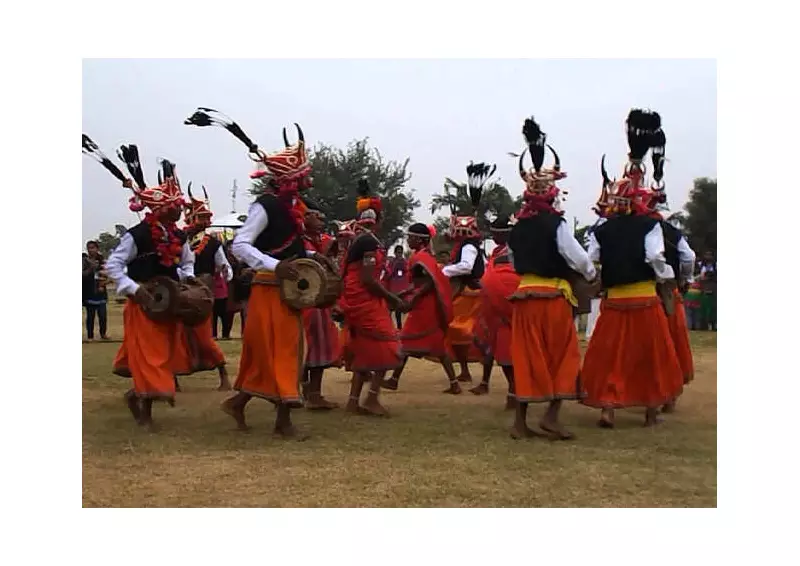
Unusual Alliance in Chhattisgarh's Conflict Zone
In a remarkable development from the dense forests of Abujhmad, the heartland of India's Maoist rebellion, an unexpected consensus has emerged between traditionally opposing forces. Both the state government and Maoist insurgents find themselves aligned on one contentious issue: neither wants the indigenous Abujhmadia community to obtain official habitat rights over their ancestral forest lands.
The Battle for Forest Land Rights
The conflict centers around the formal recognition of habitat rights for the Abujhmadia tribe, a community that has inhabited these forests for generations. According to reports from December 1, 2025, both the government administration and the radical Maoist outfit are actively working to prevent the community from staking official claims to their traditional lands.
This situation presents a complex paradox in forest governance. While the Forest Rights Act of 2006 theoretically empowers tribal communities with habitat rights, the practical implementation in conflict zones like Abujhmad remains deeply contested. The region has long been the epicenter of Maoist activity in India, making any administrative or rights-based intervention exceptionally challenging.

Implications for Tribal Communities
The alignment of state and non-state actors against tribal habitat rights raises significant questions about the future of indigenous communities in conflict zones. The Abujhmadia people, who have maintained their traditional way of life for centuries, now face opposition from both sides of the ongoing conflict.
This development comes at a time when forest rights recognition has become a crucial aspect of tribal welfare policies across India. The unique circumstances in Abujhmad highlight the complexities of implementing progressive legislation in areas affected by ongoing insurgency and security concerns.
The situation continues to evolve, with potential implications for similar forest-dwelling communities across India's conflict-affected regions. The outcome of this struggle for habitat rights in Abujhmad could set important precedents for how tribal rights are addressed in other sensitive areas of the country.






