Two Deaths Reported as Heavy Rains Batter Ghaziabad
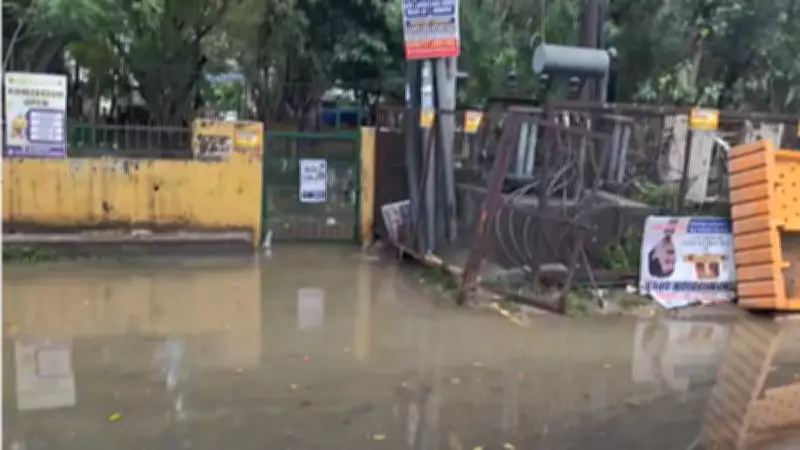
Heavy rains in Ghaziabad, Uttar Pradesh, on July 9, 2026, led to the deaths of a three-year-old child and a security guard. The toddler drowned in a waterlogged drain, while the guard was electrocuted by a live wire. The downpour caused widespread flooding, traffic disruptions, and damage to property across the city.
Details of the Incidents
According to local officials, the three-year-old child fell into an uncovered drain filled with rainwater near his home in the Vijay Nagar area. Despite rescue efforts, the child was declared dead on arrival at a nearby hospital. In a separate incident, a security guard at a residential complex in Indirapuram was electrocuted while attempting to secure a loose electrical cable that had fallen due to the rain. The guard, identified as Ramesh Kumar, died instantly.
Impact on Infrastructure and Daily Life
The heavy rainfall, which began early in the morning and continued through the day, led to severe waterlogging in low-lying areas. Roads were submerged, causing long traffic jams. Several vehicles were stranded, and commuters faced difficulties reaching their destinations. The Ghaziabad Municipal Corporation deployed pumps to drain water from affected areas, but the scale of the rainfall overwhelmed the drainage system.

Government Response and Rescue Operations
The district administration issued a warning for residents to stay indoors and avoid unnecessary travel. Rescue teams were mobilized to assist those trapped in flooded areas. Schools and colleges in the region were closed as a precautionary measure. Chief Minister Yogi Adityanath took note of the situation and directed officials to expedite relief efforts.
Long-Term Measures and Safety Concerns
Local residents expressed frustration over the lack of proper drainage and infrastructure maintenance. Many pointed out that such incidents occur every monsoon season due to neglected drains and exposed electrical wires. The Ghaziabad Municipal Corporation assured that a comprehensive survey of vulnerable areas would be conducted to prevent future tragedies.