Himachal Pradesh Assembly Approves Bill to Halt MLA Pensions for Defection
The Himachal Pradesh Legislative Assembly has taken a decisive step to fortify political integrity by passing a significant bill aimed at curbing defections among its members. This new legislation specifically targets the financial incentives associated with defection, marking a robust enhancement to the existing anti-defection framework in the state.
Key Provisions of the Bill
The bill introduces stringent measures to disqualify Members of the Legislative Assembly (MLAs) from receiving their pension benefits if they are found to have defected from their political party. Under the provisions, any MLA who voluntarily gives up membership of their party or votes against the party whip in the House, thereby violating the anti-defection law, will be rendered ineligible for the pension scheme post their tenure.
This move is designed to act as a strong deterrent against political defections, which have often been criticized for undermining democratic stability and governance. By linking pension entitlements to adherence to party discipline, the bill seeks to promote loyalty and reduce the incidence of floor-crossing for personal or political gain.

Background and Rationale
The decision comes in response to growing concerns over the misuse of defection as a tool for political maneuvering, which can lead to instability in state governments. Historically, defections have been a contentious issue in Indian politics, with instances where MLAs switch parties for ministerial positions or other benefits, disrupting the electoral mandate.
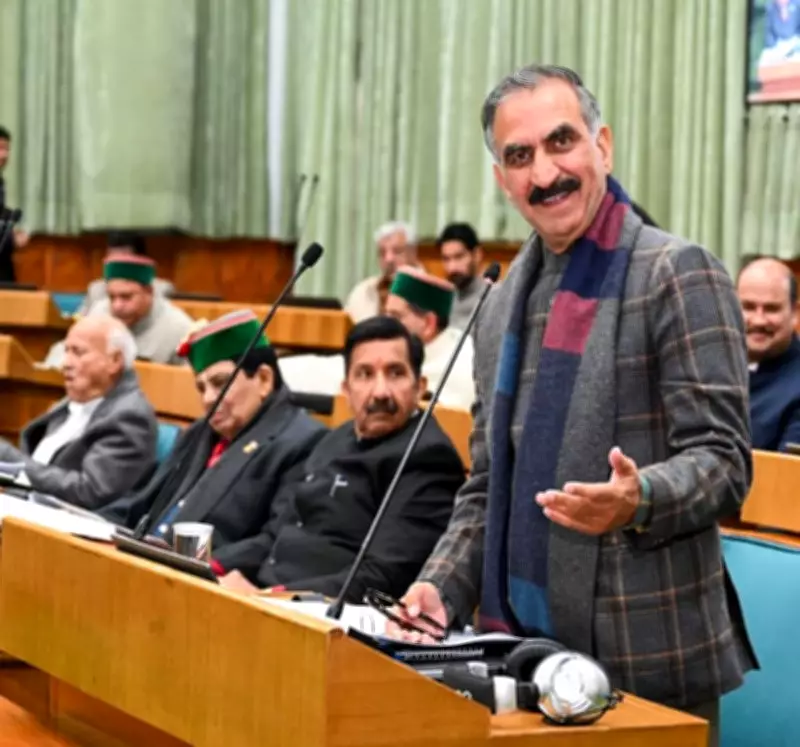
The Himachal Pradesh government, led by Chief Minister Sukhvinder Singh Sukhu, has emphasized that this bill aligns with broader efforts to uphold democratic values and ensure that elected representatives remain accountable to their constituents and party platforms. It builds upon the national Anti-Defection Law, enacted under the Tenth Schedule of the Indian Constitution, by adding a financial disincentive to complement existing penalties such as disqualification from the Assembly.
Implications and Reactions
The passage of this bill is expected to have far-reaching implications for political conduct in Himachal Pradesh. Proponents argue that it will strengthen the anti-defection mechanism by making defection less attractive, thereby fostering a more stable political environment. Critics, however, may raise concerns about potential overreach or the impact on individual MLAs' rights, though the bill is framed within the legal boundaries of the Constitution.
Initial reactions from political circles indicate support from ruling party members, who view it as a necessary step to curb corruption and ensure ethical governance. Opposition parties have yet to issue detailed statements, but the bill's focus on financial penalties is likely to spark debates on its effectiveness and fairness in upcoming legislative sessions.
Next Steps and Implementation
Following its passage in the Assembly, the bill will proceed to the Governor for assent before becoming law. Once enacted, it will be integrated into the state's legal framework, with provisions for enforcement by relevant authorities. The government has also indicated plans to raise awareness about the new rules among MLAs and the public to ensure compliance and transparency.
This development positions Himachal Pradesh as a pioneer in strengthening anti-defection measures at the state level, potentially setting a precedent for other states to follow. As political dynamics continue to evolve, such legislative actions are crucial for maintaining the integrity of democratic institutions and public trust in elected representatives.