Heavy Rainfall Paralyzes Jalandhar, Exposing Critical Road Infrastructure Failures
Intense and persistent rainfall over the past few days has left the city of Jalandhar grappling with severely damaged roads, transforming daily commutes into perilous journeys for residents. The downpour has not only disrupted normal life but has also laid bare the fragile state of the city's urban infrastructure, raising alarms about public safety and civic preparedness.
Roads Reduced to Ruins, Commuters Face Mounting Dangers
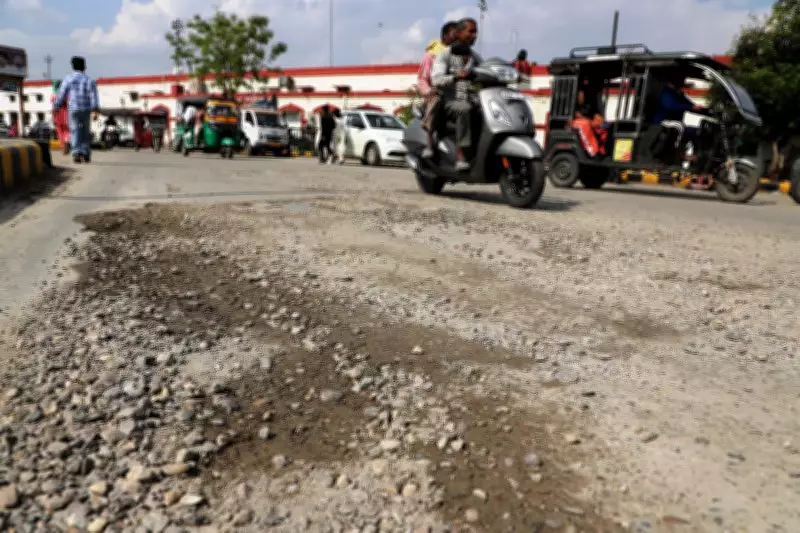
The relentless rain has caused extensive waterlogging and erosion across key arterial roads and residential lanes in Jalandhar. Potholes have deepened into craters, while several stretches have developed dangerous cracks and subsidence, making navigation a treacherous task for motorists, cyclists, and pedestrians alike. Local authorities report that the damage is widespread, affecting major thoroughfares such as GT Road and Nakodar Road, as well as numerous internal colony roads.
Commuters are bearing the brunt of this infrastructural collapse. "It's like driving through a minefield," described one daily traveler, highlighting the increased risk of accidents, vehicle damage, and injuries. The poor road conditions have led to significant traffic snarls, with vehicles moving at a crawl to avoid hazards, thereby extending travel times and causing frustration among the public.

Underlying Issues and Immediate Response Efforts
Experts point to several underlying factors exacerbating the situation. Inadequate drainage systems have failed to channel the rainwater effectively, leading to prolonged water accumulation that weakens road surfaces. Additionally, the use of substandard construction materials and lack of timely maintenance have rendered the roads particularly vulnerable to such weather events.
In response, the Municipal Corporation Jalandhar has initiated emergency repair works on the most affected routes. Teams have been deployed to fill potholes and clear debris, but these are seen as temporary fixes. "We are prioritizing safety-critical areas first, but a comprehensive overhaul is needed," stated a civic official, acknowledging the scale of the problem.
Broader Implications for Urban Planning and Public Health
The crisis in Jalandhar underscores a larger issue of urban resilience in the face of climate variability. With extreme weather events becoming more frequent, cities must invest in robust infrastructure that can withstand such challenges. The current situation also poses public health risks, as stagnant water can become breeding grounds for mosquitoes, potentially leading to disease outbreaks.
Residents are calling for long-term solutions, including:
- Upgrading drainage networks to prevent waterlogging
- Using durable materials in road construction
- Implementing regular maintenance schedules
- Enhancing disaster preparedness protocols
As Jalandhar struggles to recover, this incident serves as a stark reminder of the urgent need for sustainable urban development and proactive governance to safeguard citizen well-being.