Karnataka Governor Submits Detailed Report to President on Joint Session Disruption
In a significant development concerning parliamentary conduct, the Karnataka Governor has formally submitted a comprehensive report to President Droupadi Murmu regarding the recent disruptions during a joint session of the state Assembly. This report, delivered on January 24, 2026, meticulously documents the events that unfolded, focusing particularly on the conduct of Congress members who were involved in the incident.
Incident Details and Behavioral Concerns
The report provides an in-depth account of the "behavior" of Congress members during the session, which has raised serious questions about decorum in legislative proceedings. According to the findings, members from the Congress party engaged in shouting slogans and made attempts to block the Governor's exit from the Assembly hall. These actions occurred as the Governor was concluding the joint session, leading to a chaotic scene that disrupted the normal functioning of the House.
This incident highlights ongoing tensions within Karnataka's political landscape, where such disruptions have become increasingly common in recent times. The Governor's report is expected to serve as a formal record of these events, potentially influencing future discussions on parliamentary ethics and discipline.

Political Context and Implications
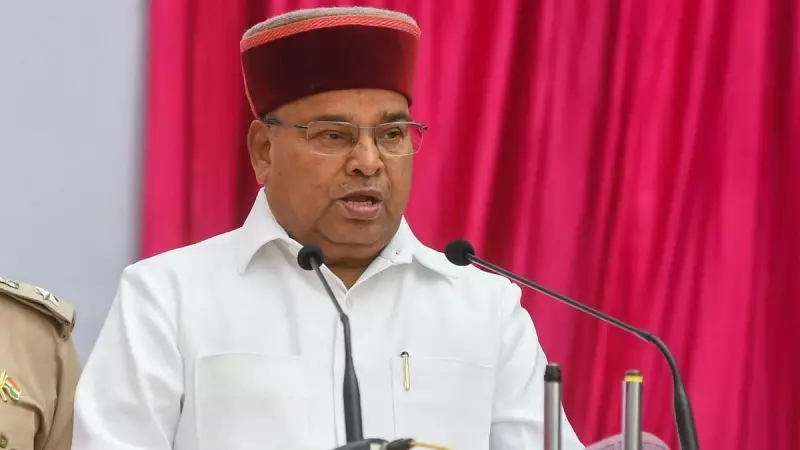
The submission of this report comes amid a backdrop of heightened political rivalry in Karnataka, with the Congress party and other factions often clashing over legislative matters. The involvement of key figures such as Thaawar Chand Gehlot and other state leaders adds to the significance of this development. By reporting directly to the President, the Governor underscores the gravity of the situation, suggesting that it transcends state-level politics and warrants national attention.
Experts note that such reports can have far-reaching implications, including possible interventions from central authorities or calls for stricter enforcement of parliamentary norms. The detailed documentation in the report aims to provide a clear factual basis for any subsequent actions or investigations.
Reactions and Future Steps
Following the submission, reactions from political circles have been mixed, with some condemning the behavior as unacceptable and others defending it as a form of protest. The report is now under review by the President's office, which will determine the next course of action. This could involve:
- Formal advisories to the state government on maintaining order in the Assembly.
- Discussions with parliamentary committees to address recurring disruptions.
- Potential disciplinary measures against the involved members, depending on the findings.
As this story develops, it serves as a reminder of the challenges in balancing democratic expression with the need for orderly legislative processes. The outcome of this report could set a precedent for how similar incidents are handled across India's state assemblies in the future.