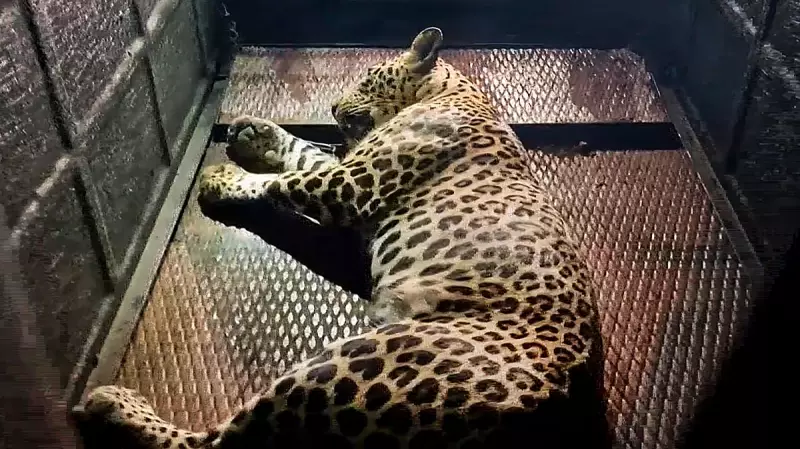
Leopard Captured After Straying into Human Settlement in Kerala's Palakkad
A leopard was successfully captured by forest officials after it strayed into a human settlement in Palakkad district, Kerala. The incident, which occurred in a residential area, caused significant panic among local residents, but fortunately, no injuries were reported. Authorities acted swiftly to ensure the safety of both the community and the animal.
Incident Details and Response
The leopard was spotted in the settlement early in the morning, leading to immediate alerts from villagers. Forest department teams, equipped with tranquilizer guns and safety gear, were dispatched to the scene. After a careful operation, the animal was tranquilized and captured without any harm. This swift response highlights the preparedness of Kerala's wildlife authorities in handling such emergencies.
Safety Measures and Public Awareness
Following the capture, forest officials conducted a brief inspection of the area to assess any potential risks and advised residents on safety precautions. They emphasized the importance of reporting wildlife sightings promptly to prevent conflicts. The leopard was later relocated to a nearby forest reserve, away from human habitats, as part of standard protocol to mitigate future incidents.

Context of Human-Wildlife Conflict in Kerala
This event underscores the ongoing challenges of human-wildlife conflict in Kerala, particularly in regions like Palakkad where forested areas border residential zones. Similar incidents have been reported in the past, prompting calls for enhanced conservation efforts and community awareness programs. Authorities are working on long-term strategies to balance wildlife protection with public safety.
In summary, the successful capture of the leopard in Palakkad demonstrates effective coordination between forest officials and the community, ensuring a peaceful resolution to a potentially dangerous situation. Residents have been urged to remain vigilant and cooperate with authorities to manage such occurrences in the future.