Maharashtra's Rs 30 Lakh Crore Davos Triumph: A Political and Economic Game-Changer for Fadnavis
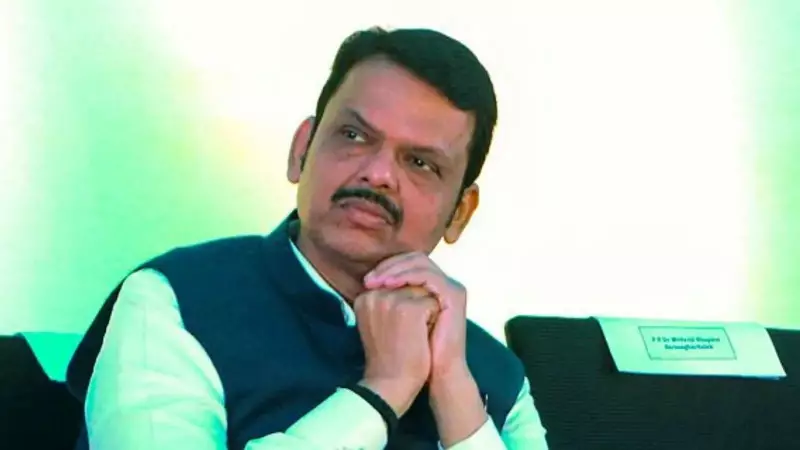
Maharashtra Chief Minister Devendra Fadnavis's recent week-long trip to Davos, Switzerland, for the annual World Economic Forum (WEF) meeting has yielded monumental results for the state. The delegation secured investment proposals worth a staggering Rs 30 lakh crore, a development that could significantly alter the political and economic landscape for the Fadnavis-led government.
Political Imperative: Countering the Gujarat Narrative
This massive investment haul arrives at a critical juncture. The Opposition, comprising Congress, Shiv Sena (UBT), and NCP (SP), has consistently accused the BJP leadership of prioritizing Gujarat's economic interests at Maharashtra's expense. Notable relocations like the Vedanta-Foxconn and Tata Airbus projects to Gujarat, along with diamond traders shifting to Surat, have fueled this narrative.
Uddhav Thackeray has pointedly blamed this trend on political maneuvering by Prime Minister Narendra Modi and Home Minister Amit Shah. With 3.5 years remaining in his tenure, political analysts assert that Fadnavis must now rapidly translate these Davos Memorandums of Understanding (MoUs) into tangible projects to effectively counter these charges and strengthen the Mahayuti government's position.

Coalition Dynamics and Internal Discomfort
The announcement has also stirred unease within the ruling alliance. Neither Shiv Sena nor NCP has publicly celebrated the Davos success. A senior NCP minister, speaking anonymously, suggested that coalition protocol demanded the Chief Minister first share the outcomes with Deputy CMs Eknath Shinde and Ajit Pawar for collective credit.
However, BJP strategists dismiss this as minor coalition friction, emphasizing the CM's prerogative in global forums. They highlight the inclusion of NCP's Industries Minister Uday Samant in the Davos delegation as evidence of "collective leadership" in action.
The Scale and Scope of the Davos Agreements
Defending the focus on domestic companies, Fadnavis clarified that while many signatories are Indian, they operate globally and bring foreign direct investment through international partnerships. Official data reveals MoUs with companies from over 18 nations, including the USA, UK, UAE, Japan, and several European countries.
The investments span diverse sectors: industries, agriculture, services, technology, health, education, and energy. Fadnavis projected these deals would generate approximately 40 lakh jobs. He further expressed optimism about finalizing an additional Rs 7 to 10 lakh crore in investments soon, citing Maharashtra's improved ease of doing business as a key attractor.
Implementation Challenges and Economic Realities
A senior Industries Department official injected a note of caution, acknowledging that while the investment news aids political messaging, the implementation process is arduous. Historical data suggests an actual realization rate of only 45 to 50 percent for such MoUs, with projects taking three to seven years from signing to completion.
The investments could provide much-needed relief for the state exchequer. Finance Minister Ajit Pawar's recent budget highlighted a projected debt of Rs 9.32 lakh crore, partly attributed to welfare schemes. Government sources hope the Davos MoUs will catalyze development works and economic momentum.
Opposition Skepticism and Criticism
The Opposition remains unconvinced. Congress state chief Harshwardhan Sapkal dismissed the proposals as "good marketing" with little substance, questioning the government's focus on unemployment and poverty. Shiv Sena (UBT) MP Sanjay Raut criticized the Davos visits as extravagant picnics, arguing that meetings with Indian industrialists could easily occur within India.
They contend that WEF has become an annual ritual of unfulfilled promises. Specific criticism was directed at an MoU with the Lodha Group, noting the familial BJP connections of its leadership.

In conclusion, the Rs 30 lakh crore Davos haul presents Devendra Fadnavis with a powerful tool to reshape Maharashtra's economic narrative and address political vulnerabilities. Its ultimate impact, however, hinges on the government's ability to navigate coalition politics and execute these ambitious proposals on the ground.