Mayawati Issues Stern Warning on the Perils of Mixing Religion with Politics
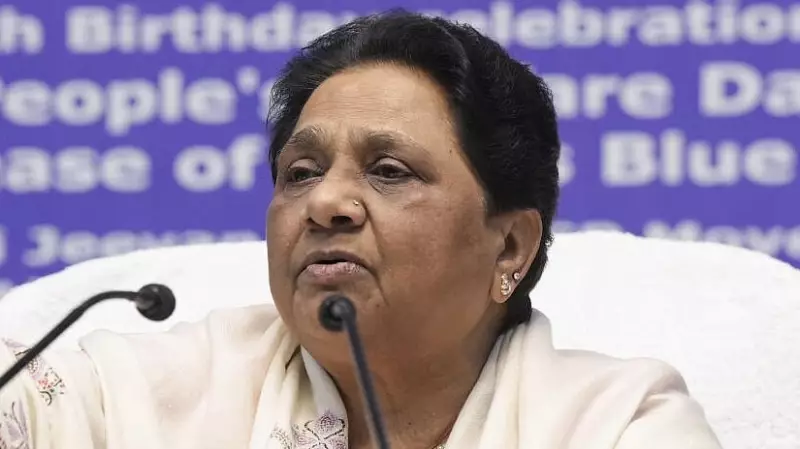
Bahujan Samaj Party (BSP) supremo Mayawati has raised a significant alarm regarding the intertwining of religion and political discourse, describing it as a practice fraught with considerable dangers. Her remarks come in the wake of the ongoing controversy surrounding Shankaracharya in Uttar Pradesh, a situation that has sparked widespread debate and concern across the state.
Context of the Shankaracharya Row in Uttar Pradesh
The Shankaracharya row, which has been simmering in Uttar Pradesh, involves allegations and counter-allegations that have drawn religious figures into the political fray. This incident has highlighted the delicate balance between spiritual leadership and electoral maneuvering, prompting reactions from various political quarters. Mayawati's intervention underscores the broader implications of such entanglements, which she believes can undermine social harmony and democratic principles.
Mayawati's Call for Focus on Public Welfare
In her statement, Mayawati emphasized that politicians should prioritize the welfare of the common people over divisive strategies that exploit religious sentiments. She argued that when religion is used as a tool for political gain, it not only distracts from pressing issues like development, education, and healthcare but also risks fueling communal tensions. Her message resonates with her party's longstanding commitment to social justice and equality, urging a return to substantive governance.

Historical and Contemporary Relevance
This is not the first time Mayawati has spoken out against the fusion of religion and politics. Throughout her political career, she has consistently advocated for a secular approach, warning that such practices can lead to polarization and conflict. In the current climate, where Uttar Pradesh is a key battleground in Indian politics, her words carry added weight, reminding stakeholders of the need for responsible leadership.
The controversy has also sparked discussions on the role of religious leaders in political matters, with some viewing it as an attempt to influence voter behavior. Mayawati's cautionary stance aligns with concerns about maintaining the integrity of both religious institutions and democratic processes, suggesting that a clear separation is essential for a healthy society.
Implications for Uttar Pradesh and Beyond
As Uttar Pradesh navigates this sensitive issue, Mayawati's warning serves as a timely reminder of the potential consequences of blurring lines between faith and politics. It calls for introspection among political parties and leaders to ensure that their campaigns and policies remain focused on inclusive growth rather than sectarian appeals. The broader lesson extends to other regions in India, where similar dynamics might play out, emphasizing the importance of upholding secular values in a diverse democracy.
In conclusion, Mayawati's remarks on the Shankaracharya row highlight a critical challenge in contemporary Indian politics. By urging a shift away from religion-based politicking, she advocates for a more equitable and harmonious approach to governance, one that prioritizes the needs of all citizens regardless of their beliefs.