The highly anticipated election for the mayor of Mumbai has been officially postponed to February, creating a significant stir in Maharashtra's political landscape. This delay stems directly from the persistent confusion and legal complexities surrounding the registration of the two main Shiv Sena factions, which has thrown the entire process into disarray.
Political Impasse Leads to Postponement
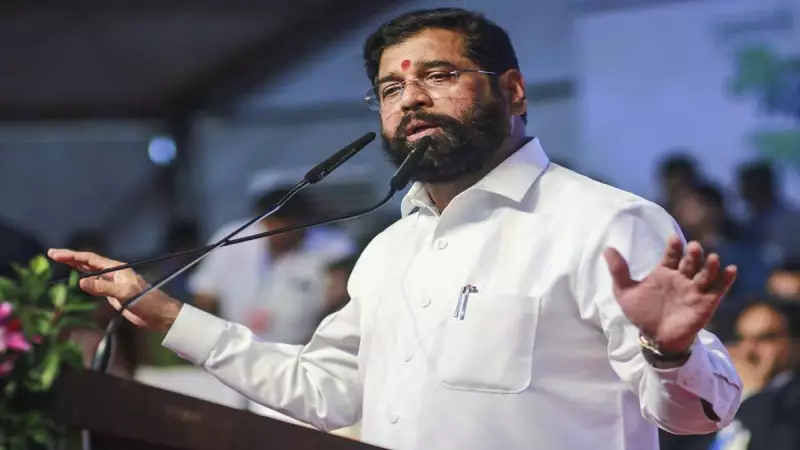
The Brihanmumbai Municipal Corporation (BMC), India's richest civic body, finds itself in a state of limbo as the mayoral election, a crucial administrative event, has been pushed back. The core issue revolves around the unresolved status of the Shiv Sena factions led by Chief Minister Eknath Shinde and former Chief Minister Uddhav Thackeray. The Election Commission's pending decision on which faction holds the legitimate claim to the party's name and symbol has created an unprecedented constitutional and political deadlock.
Impact on BMC and Upcoming Civic Polls
This postponement has immediate and long-term ramifications. In the short term, it leaves the BMC without a duly elected mayor, potentially affecting day-to-day governance and major civic projects in India's financial capital. More broadly, the delay casts a long shadow over the preparations for the crucial BMC civic polls scheduled for 2026. The political uncertainty makes it challenging for all parties, including the BJP and the Shiv Sena factions, to formulate clear strategies and alliances for the upcoming electoral battle.

The situation underscores the deep fissures within the Shiv Sena, a party that has long been a dominant force in Mumbai's politics. The faction led by Eknath Shinde, with the support of the BJP and Deputy Chief Minister Devendra Fadnavis, and the rival Shiv Sena (UBT) faction led by Uddhav Thackeray are locked in a bitter struggle for legitimacy. This internal conflict has now effectively paralyzed a key democratic process at the municipal level.
Legal and Administrative Challenges
Administrative authorities are caught in a bind, unable to proceed with the election formalities until the faction registration issue is legally clarified. The delay is not merely procedural; it represents a significant test for Maharashtra's political and judicial systems in resolving intra-party disputes that have cascading effects on public administration. Political analysts suggest that this impasse could lead to further legal petitions and heighten political tensions in the state.
As February approaches, all eyes are on the Election Commission and the courts. The resolution of the Shiv Sena faction registration chaos is now inextricably linked to the democratic functioning of Mumbai's civic body. The outcome will not only determine who becomes the next mayor but also set the tone for the political alignments and confrontations expected in the run-up to the 2026 BMC polls, making this a pivotal moment for Maharashtra's political future.