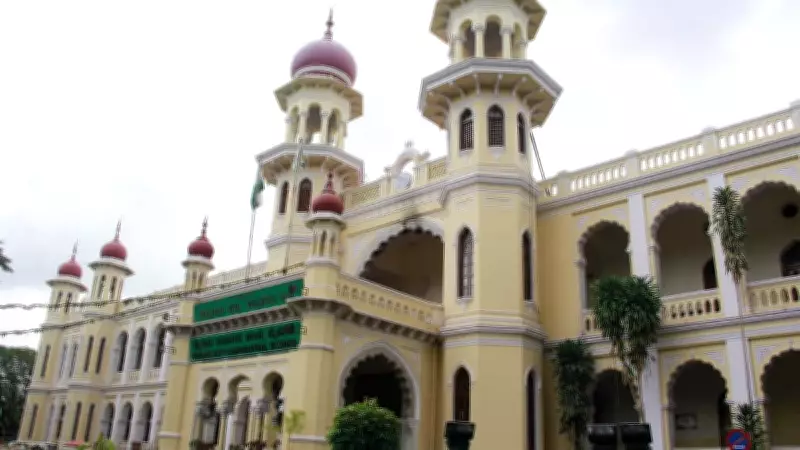
Mysuru City Corporation Revenue Crisis: Only 35.56% of Budget Projection Realized
In a startling revelation, the Mysuru City Corporation has reported that its actual revenue collection stands at a mere 35.56% of the budget projections for the current fiscal year. This significant shortfall has raised serious concerns about the financial health and operational efficiency of the municipal body, which serves one of Karnataka's major urban centers.
Former Mayor Alleges Official Neglect and Irresponsibility
Former Mayor Shivakumar T R Sathish Kumar has publicly criticized the corporation's performance, attributing the revenue crisis to widespread neglect and irresponsibility among officials. He alleges that this mismanagement has forced the corporation to become heavily dependent on government grants to meet its financial obligations and fund essential civic projects.
"The inability to generate sufficient internal revenue is a direct result of systemic failures and a lack of accountability within the administration," stated Shivakumar. "Officials have failed to implement effective tax collection mechanisms and optimize revenue streams, leaving the corporation in a precarious financial position."

Implications of the Revenue Shortfall
The revenue gap has far-reaching consequences for Mysuru's urban development and public services. Key areas impacted include:
- Infrastructure Projects: Delays or cancellations in planned upgrades to roads, water supply, and sanitation systems.
- Public Welfare Schemes: Reduced funding for health, education, and social initiatives aimed at benefiting residents.
- Operational Costs: Struggles to cover day-to-day expenses, potentially affecting employee salaries and maintenance work.
This dependence on government grants not only undermines the corporation's autonomy but also exposes it to fluctuations in state funding, creating uncertainty in long-term planning.
Calls for Transparency and Reform
In response to the crisis, civic activists and local stakeholders are demanding greater transparency in the corporation's financial dealings. They urge the implementation of robust measures to enhance revenue collection, such as:
- Digitizing tax payment systems to improve efficiency and reduce evasion.
- Conducting regular audits to identify and plug revenue leaks.
- Engaging with the community to foster compliance and support for municipal initiatives.
The situation highlights broader issues in municipal governance across Karnataka, where many urban local bodies grapple with similar challenges. As Mysuru City Corporation navigates this financial turmoil, the focus remains on restoring fiscal discipline and ensuring sustainable development for the city's future.