

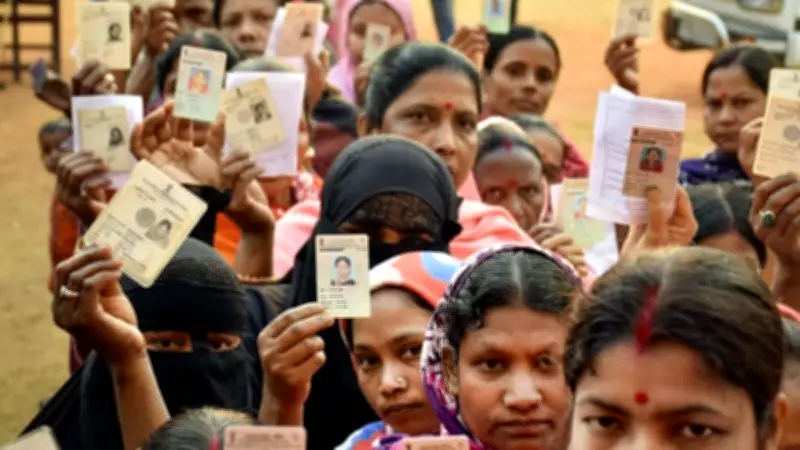
Nandigram Constituency: A Crucial Battleground in West Bengal's 2026 Assembly Elections
The Nandigram constituency in West Bengal is poised to be a focal point in the upcoming 2026 Assembly elections, drawing significant attention from political analysts and voters alike. This region has a storied history of intense electoral contests, making it a key indicator of broader political trends in the state.
Historical Context and Past Winners
Nandigram has witnessed dramatic shifts in political allegiance over the years. In previous elections, the constituency has been won by various parties, reflecting the dynamic and often volatile nature of West Bengal's political landscape. Past winners have included candidates from major political factions, with victories often marked by narrow margins that underscore the competitive spirit of this area.
The vote margins in Nandigram have typically been slim, highlighting the constituency's status as a swing seat where every vote counts. Historical data shows that winning candidates have secured their positions with differences of just a few thousand votes, emphasizing the need for robust campaign strategies and grassroots mobilization.

Party-Wise Candidates and Electoral Strategies
As the 2026 elections approach, major political parties are expected to field strong candidates in Nandigram. The constituency is likely to see contenders from the ruling party, opposition groups, and regional factions, each vying for dominance in this politically charged region.
Key parties are anticipated to leverage local issues, development promises, and historical grievances to appeal to voters. The candidate selection process will be critical, with parties aiming to nominate individuals who can resonate with the diverse electorate of Nandigram, which includes urban and rural populations with varying socio-economic backgrounds.
Factors Influencing the 2026 Election Outcome
Several factors will shape the electoral outcome in Nandigram for the 2026 Assembly elections. These include:
- Local Development Issues: Voters are likely to prioritize infrastructure, healthcare, and education, with parties needing to address these concerns effectively.
- Historical Political Sentiments: Past events and political movements in Nandigram may influence voter behavior, adding layers of complexity to the campaign.
- Demographic Changes: Shifts in population and voter demographics could alter traditional voting patterns, requiring parties to adapt their outreach efforts.
- National and State-Level Politics: Broader political trends in West Bengal and India may impact local elections, with parties aligning their strategies accordingly.
In conclusion, the Nandigram constituency remains a critical battleground for the West Bengal Assembly Election 2026. With its history of close contests and political significance, this region will be closely watched as parties deploy their resources and strategies to secure victory. The outcome here could provide insights into the overall political direction of West Bengal in the coming years.






