

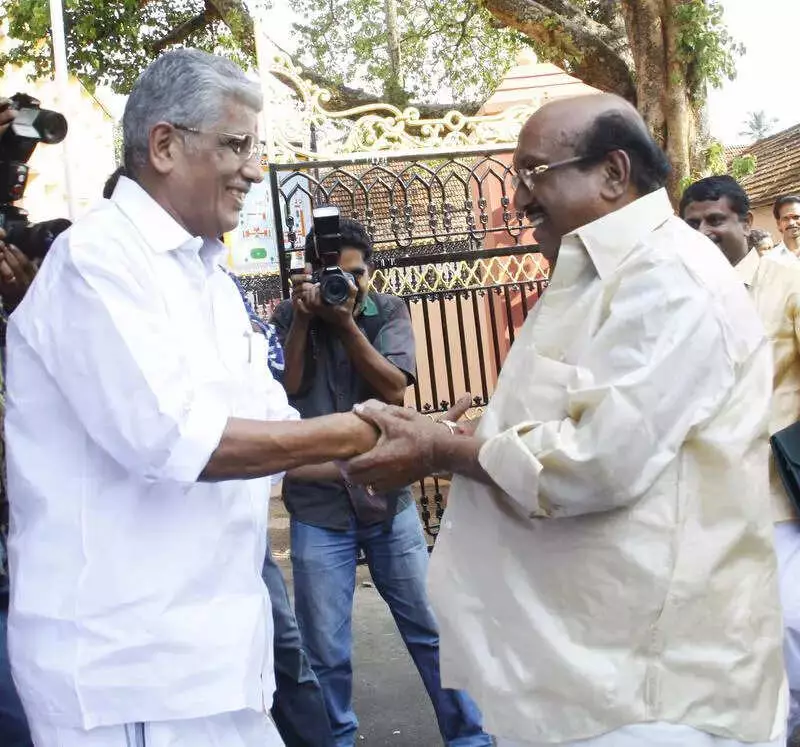
NSS-SNDP Alliance Proposal Collapses, Creating Political Ripples in Kerala
The much-discussed political alliance between the Nair Service Society (NSS) and Sree Narayana Dharma Paripalana (SNDP) Yogam has officially collapsed, creating significant waves across Kerala's political landscape. The failure of this proposed unity has produced varied reactions from major political fronts, with the United Democratic Front (UDF) expressing relief while the Left Democratic Front (LDF) faces renewed apprehension about upcoming electoral challenges.
Board Meeting Delivers Unanimous Rejection
During a crucial meeting held on Monday, the NSS director board took a definitive stand against the proposed alliance with SNDP. Despite earlier confidence expressed by NSS general secretary G Sukumaran Nair about potential unanimous support for the unity move, board members raised substantial objections that ultimately led to complete rejection.
The board members articulated several concerns about the proposed alliance. Primary among these was the perception that SNDP leadership maintains a Left-leaning political stance, which board members believed would compromise NSS's carefully maintained samadooram (equidistant) policy toward political parties. This policy has been fundamental to NSS's approach to maintaining balanced relationships across Kerala's political spectrum.

Secular Identity Concerns and Suspicious Approaches
Additional reservations emerged regarding the potential impact on NSS's secular identity. Some board members expressed apprehension that aligning with SNDP could undermine the organization's secular credentials, which have been carefully cultivated over decades.
Nair revealed to reporters after the meeting that "their approach towards this unity move was suspicious," referring to SNDP's methodology in pursuing the alliance. This suspicion was further highlighted by SNDP Yogam general secretary Vellappally Natesan's proposal to involve his son, Tushar Vellapally, who serves as president of BDJS—an NDA ally—in alliance discussions.
In a formal press note issued following the meeting, Nair made the organization's position unequivocally clear: "SNDP-NSS unity was not practical and that the society was not going ahead with the unity move." This definitive statement closed the door on what had been weeks of intense political speculation.
Political Ramifications Across Party Lines
The collapse of this proposed alliance carries significant implications for Kerala's major political players. The Communist Party of India (Marxist) had actively encouraged the alliance, hoping it would strengthen LDF's position in upcoming assembly elections and beyond. Both NSS and SNDP leadership had extended support to the LDF government and CPM following the controversial Sabarimala gold heist incident, and CPM had hoped to leverage this support during challenging political circumstances.
For the Bharatiya Janata Party (BJP), the alliance's failure represents a substantial setback. The party had anticipated that the NSS-SNDP unity could create favorable conditions for a political surge in Kerala, particularly given BJP's recent successes in Ezhava-dominated areas during local body polls. This development has disrupted BJP's strategic calculations for expanding its presence in the state.
The Indian National Congress and UDF leadership monitored the unity discussions with considerable concern, fearing that such an alliance might erode their traditional support base among Nair community members. The alliance's collapse has therefore provided UDF with measurable relief as they prepare for electoral contests.
Community Dynamics and Electoral Implications
Kerala's complex community dynamics played a crucial role in this political development. While a majority of Ezhava community members traditionally lean toward Left politics, BJP's recent electoral gains in Ezhava-dominated areas had created new political equations. CPM had hoped the NSS-SNDP alliance would help address these shifting community allegiances, but the sudden withdrawal of NSS has dealt their electoral strategy a significant blow.

As Kerala approaches another round of assembly elections, the collapse of this proposed alliance has reshaped political calculations across all major fronts. The traditional voting patterns of both Nair and Ezhava communities remain crucial factors, and political parties must now recalibrate their approaches without the anticipated NSS-SNDP unity that had dominated recent political discourse.





