

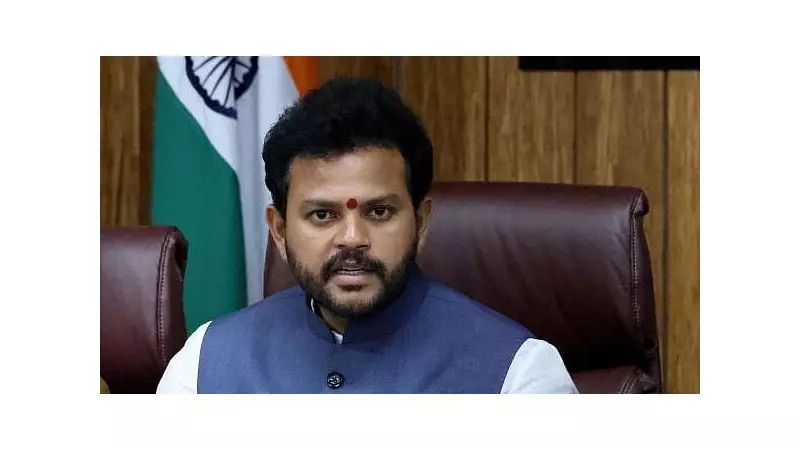
Aviation Minister Highlights Poor Visibility in Ajit Pawar's Plane Crash Incident
The recent plane crash involving Maharashtra Deputy Chief Minister Ajit Pawar has drawn significant attention, with the Aviation Minister providing crucial insights into the preliminary findings. According to official statements, poor visibility conditions were a major contributing factor during the time of the accident. This revelation comes as part of an ongoing investigation aimed at determining the exact causes and ensuring such incidents are prevented in the future.
Details of the Crash and Immediate Response
The aircraft, which was carrying Ajit Pawar and other passengers, encountered adverse weather conditions that severely limited visibility. Aviation authorities have emphasized that such environmental factors can pose serious risks to flight safety, especially during takeoff and landing phases. Emergency response teams were promptly deployed to the crash site, where they managed to rescue all individuals on board, with reports indicating no fatalities but some injuries requiring medical attention.
In the aftermath, the Aviation Minister addressed the media, stating that the investigation is being conducted thoroughly to assess all possible angles, including pilot error, mechanical failures, and weather-related issues. The focus on poor visibility underscores the importance of meteorological assessments in aviation protocols, particularly for flights operating in regions prone to sudden weather changes.

Broader Implications for Aviation Safety in India
This incident has sparked discussions about aviation safety standards and the need for enhanced measures to mitigate risks associated with poor visibility. Experts suggest that improving weather forecasting systems and implementing stricter guidelines for flight operations during adverse conditions could be key steps forward. Additionally, the crash highlights the vulnerabilities in regional aviation, where smaller aircraft might face greater challenges in navigating unpredictable weather patterns.
As the investigation progresses, stakeholders are calling for transparency and swift action to address any lapses identified. The Aviation Minister's remarks have reassured the public of the government's commitment to safety, but they also serve as a reminder of the constant vigilance required in the aviation sector. With Maharashtra being a hub for political and economic activities, ensuring the security of air travel for officials and civilians alike remains a top priority.
In conclusion, while the crash involving Ajit Pawar's plane did not result in tragic losses, it has brought critical issues to the forefront. The emphasis on poor visibility as a factor should prompt a reevaluation of current safety protocols, potentially leading to reforms that enhance the resilience of India's aviation infrastructure against environmental hazards.






