Punjab and Haryana Chief Ministers to Convene in Chandigarh for Crucial SYL Canal Talks
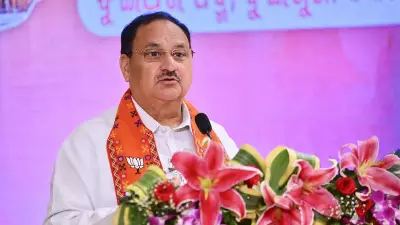
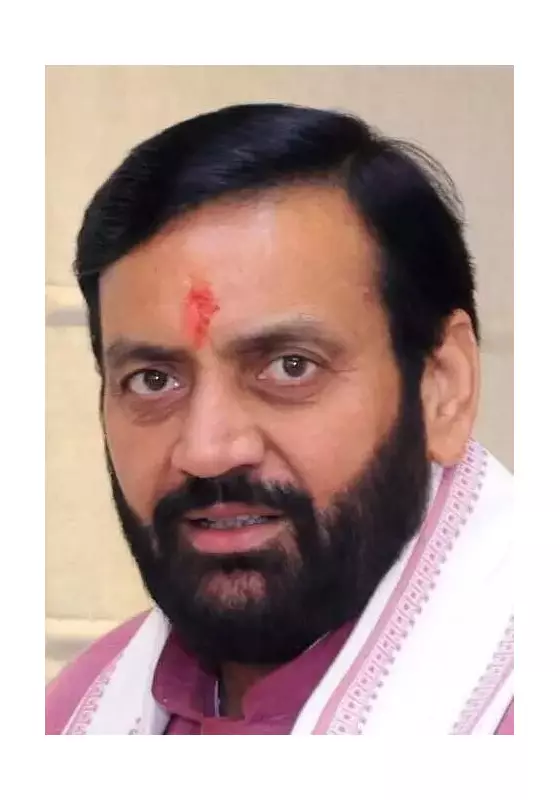
The chief ministers of Punjab and Haryana are scheduled to hold a significant meeting in Chandigarh on January 27 to address the long-standing Satluj-Yamuna Link (SYL) canal issue. This development comes in response to the Supreme Court's directive issued on May 6 last year, which urged both states to collaborate with the central government to find a mutually acceptable resolution to the water-sharing dispute.
Punjab's Stance on Water Availability and Canal Viability
In a recent meeting with Union Home Minister Amit Shah in New Delhi on January 17, Punjab Chief Minister Bhagwant Mann reiterated the state's position that Punjab has no surplus water to share with neighboring states. He cited a substantial decrease in the flow of key rivers, including the Sutlej, Ravi, and Beas, as a critical factor. Mann described the SYL canal as unviable, emphasizing that while these rivers do not flow through Haryana, Delhi, or Rajasthan, those states are allocated approximately 60% of the water.
According to government sources, the upcoming meeting in Chandigarh is expected to include not only the chief ministers but also senior officials from both Punjab and Haryana. This follows a previous discussion held on August 5, 2025, between the two states under the chairmanship of Union Jal Shakti Minister C R Patil. After that meeting, CM Mann noted that the issue has been ongoing for decades and is currently before the Supreme Court, but expressed optimism about positive steps being taken through dialogue.

Historical Context and Ongoing Disputes
The SYL canal was originally conceptualized to facilitate the effective allocation of water from the Ravi and Beas rivers. The project involved constructing a 214-kilometer canal, with 122 kilometers planned in Punjab and 92 kilometers in Haryana. While Haryana completed its portion of the canal, Punjab, which began construction in 1982, later halted the work, leading to a dispute that has persisted for decades.
At the 32nd Northern Zonal Council meeting in Faridabad on November 11, 2025, Mann raised concerns about the scientific basis of water availability assessments. He argued that there was no proper scientific calculation regarding water availability in the years 1976 and 1981, and that the central government's decisions were made unilaterally. Punjab has disputed the water availability figure of 17.17 million acre-feet (MAF) since 1981, pointing out that international water agreements typically require reassessment every 25 years.
Mann has called for all proceedings related to the SYL canal to be suspended until a tribunal provides its final award. He emphasized that future discussions should only proceed after a fresh, scientific reassessment of water availability, a point that Punjab has consistently conveyed in previous negotiations.