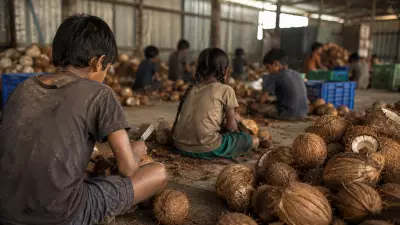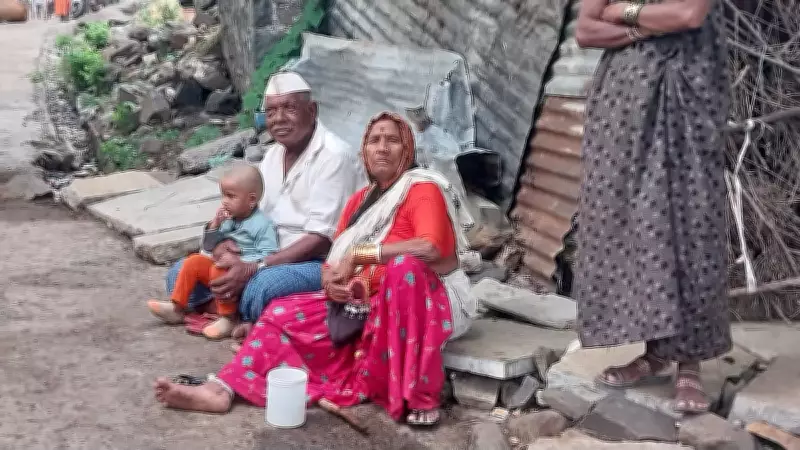
Small and marginal farmers in Kalyana Karnataka are increasingly migrating to urban centers as scanty rainfall has caused their pulse crops to fail, according to a report by DHNS. Farmers who sowed toor dal and other pulses between the last week of May and the first week of June have seen their seeds fail to sprout due to inadequate soil moisture.
Failed Sowing Season Triggers Exodus
The region, which depends heavily on the southwest monsoon, received significantly below-average rainfall this year. With no alternative irrigation sources, farmers who invested in seeds and labor now face complete crop loss. Many have started leaving their villages in search of daily wage work in cities like Kalaburagi, Bidar, and even Bengaluru.
"We sowed toor dal on two acres, but not a single seed germinated. We have no money left for another attempt," said Shankarappa, a farmer from Yadgir district. Local officials confirm that distress migration has surged by nearly 30% compared to the same period last year.

Impact on Small Landholders
Most affected are those with less than two hectares of land. They rely on rain-fed agriculture and have limited access to credit or crop insurance. The failure of the kharif sowing season has pushed many families into debt, forcing them to seek work in construction or as daily laborers.
The Kalyana Karnataka region, already one of the most drought-prone and economically backward areas in the state, is witnessing a repeat of the migration patterns seen during severe droughts in 2016 and 2018. Experts warn that without immediate relief measures, the exodus could accelerate.
Government Response and Relief Measures
The state government has announced a compensation of ₹10,000 per hectare for affected farmers, but many complain that the process is slow and riddled with paperwork. "We need the money now, not after months of verification," said Laxmibai, a farmer from Raichur.
Agricultural officers have advised farmers to wait for the next spell of rain to attempt re-sowing with short-duration varieties. However, with the monsoon forecast remaining bleak, hopes are fading.
The migration trend not only disrupts families but also leaves fields fallow, reducing the region's overall agricultural output. Long-term solutions such as better irrigation infrastructure and drought-resistant seeds are urgently needed, experts say.