

Shop Owner in Karnataka's Sullia Charged with FIR for Illegal Garbage Dumping
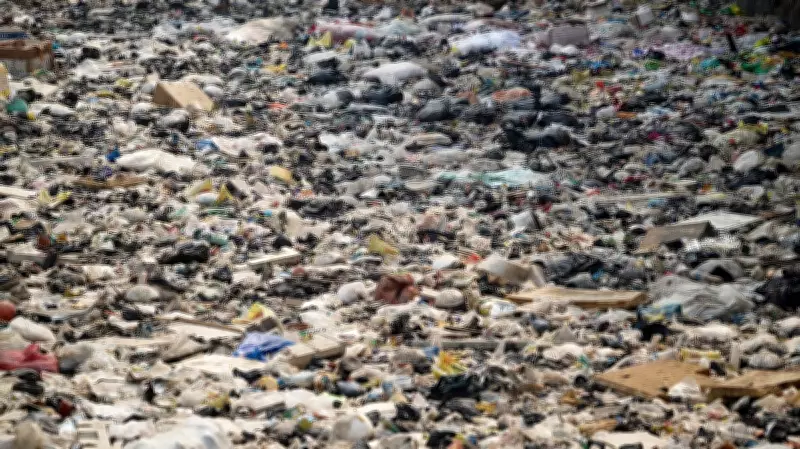
In a significant enforcement action, a shop owner in Sullia, Karnataka, has been formally charged with a First Information Report (FIR) for illegal garbage dumping. This incident underscores the growing emphasis on waste management compliance in the region.
Details of the Incident and Legal Action
The case involves a local shopkeeper who was allegedly caught dumping waste improperly, violating environmental and municipal regulations. Authorities in Sullia, a town in the Dakshina Kannada district, took swift action by registering the FIR, which marks a formal step in the legal process against the accused.
This move is part of broader efforts by Karnataka's local governance bodies to curb illegal dumping practices that contribute to pollution and public health risks. The FIR serves as a warning to other residents and businesses about the consequences of non-compliance with waste disposal laws.

Context of Waste Management in Karnataka
Karnataka has been actively implementing stricter waste management policies to address environmental concerns. The state's initiatives include promoting segregation at source, enhancing recycling facilities, and penalizing illegal dumping to foster cleaner communities.
The Sullia incident highlights the challenges faced in rural and semi-urban areas, where awareness and infrastructure for proper waste disposal may be limited. However, authorities are stepping up enforcement to ensure adherence to regulations.
Implications and Public Response
The filing of the FIR has sparked discussions among local residents about the importance of responsible waste management. Many view it as a necessary measure to deter future violations and protect the environment.
Experts suggest that such legal actions, combined with public education campaigns, could lead to improved compliance and a reduction in illegal dumping incidents across Karnataka.
As the case progresses, it will likely serve as a precedent for similar enforcement actions in other parts of the state, reinforcing the commitment to sustainable waste management practices.






