

SIT Report on Gogoi's Pakistan Link to be Sent to Centre After Rawalpindi Trip Details Added
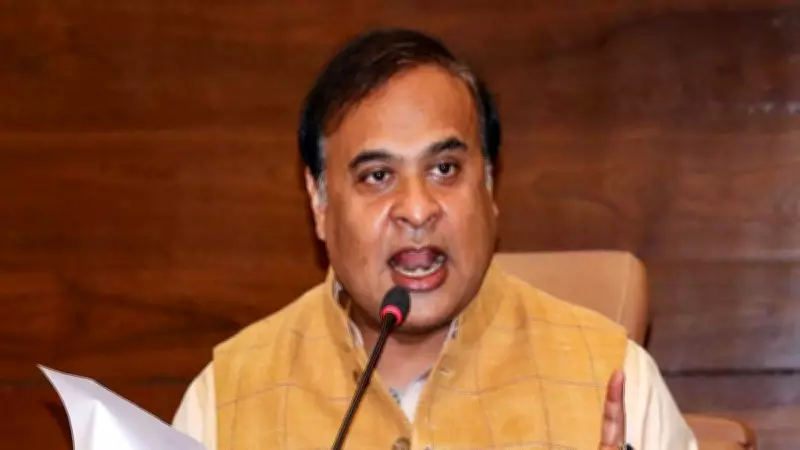
Assam Chief Minister Himanta Biswa Sarma has made a significant announcement regarding the ongoing investigation into former Chief Minister Tarun Gogoi's alleged connections with Pakistan. The Special Investigation Team (SIT) report, which has been under scrutiny, will now be forwarded to the central government after incorporating crucial details related to Gogoi's trip to Rawalpindi. This development marks a pivotal escalation in the political controversy that has gripped the state, raising questions about national security and political integrity.
Details of the Rawalpindi Trip to be Included
The SIT report, initially compiled to probe Gogoi's alleged Pakistan links, is set to be enhanced with specific information about his visit to Rawalpindi. According to sources, this addition is aimed at providing a more comprehensive account of Gogoi's activities and associations during his time in Pakistan. The inclusion of these details is expected to shed light on the nature and extent of the alleged links, which have been a subject of intense debate and speculation in political circles.
Chief Minister Himanta Biswa Sarma emphasized that the decision to send the report to the Centre is based on the need for a thorough and transparent investigation. He stated that the state government is committed to ensuring that all relevant facts are presented to the central authorities for further action. This move underscores the seriousness with which the Assam government is treating the matter, potentially implicating high-level political figures in a sensitive international context.

Political Implications and Reactions
The announcement has sparked a wave of reactions from various political factions in Assam. Supporters of Tarun Gogoi have dismissed the allegations as politically motivated, arguing that the timing of the report's submission to the Centre is intended to tarnish Gogoi's legacy ahead of upcoming elections. On the other hand, proponents of the investigation, including members of the ruling party, assert that the probe is essential for upholding national security and accountability in public office.
The controversy surrounding Gogoi's Pakistan links has been a persistent issue, with previous reports suggesting informal contacts and meetings during his tenure. However, the addition of the Rawalpindi trip details adds a new dimension to the case, potentially linking it to broader geopolitical concerns. Political analysts note that this development could influence voter sentiment and party dynamics in Assam, as it brings national security into the forefront of state politics.
Next Steps and Central Government's Role
Once the SIT report is submitted to the Centre, it will be reviewed by relevant central agencies, which may include intelligence and security departments. The central government's response will be closely watched, as it could lead to further investigations, legal proceedings, or policy changes regarding political figures' foreign engagements. The outcome of this review may also set a precedent for how similar cases are handled in other states, impacting the broader political landscape in India.
In summary, the decision to send the SIT report on Tarun Gogoi's alleged Pakistan links to the Centre, after adding details of his Rawalpindi trip, represents a critical juncture in Assam's political narrative. It highlights the intersection of state politics, national security, and international relations, with potential ramifications for future governance and electoral outcomes.






