Tamil Nadu Chief Minister Condemns Governor's Assembly Conduct
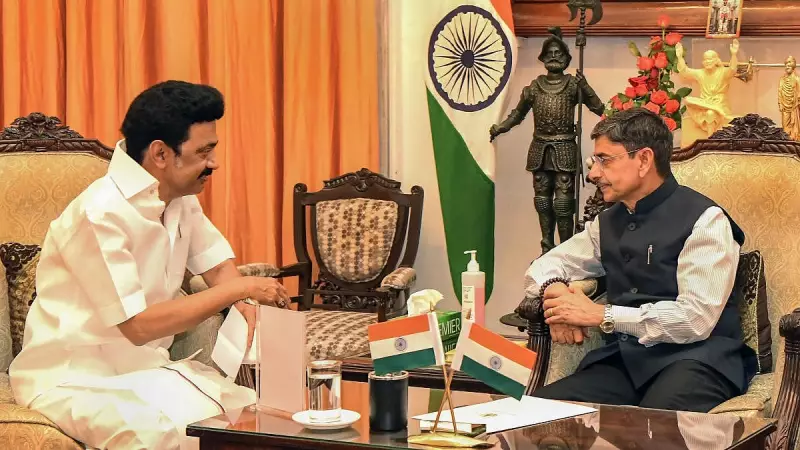
Tamil Nadu Chief Minister M K Stalin has launched a sharp criticism against Governor R N Ravi for his recent actions in the state Assembly. The Chief Minister expressed his disappointment over the Governor's decision to not read the customary speech during the Assembly session, stating that such behavior undermines the dignity of the constitutional position.
Constitutional Position Insulted, Says Stalin
In a strongly worded statement, Chief Minister Stalin remarked that the Governor is insulting the position he holds by refusing to adhere to established parliamentary traditions. He emphasized that the Governor's role is not merely ceremonial but carries significant constitutional responsibilities that must be respected.
"I am constrained to criticise the Governor for his actions," Stalin said, highlighting his reluctance to publicly call out the constitutional head of the state. "Many governors that Tamil Nadu has seen in the past were not like Ravi." This comparison with previous governors underscores the Chief Minister's view that Ravi's conduct represents a departure from established norms.

Historical Context and Precedents
The tradition of the Governor reading a speech in the Assembly dates back to the formation of the state legislature, serving as a symbolic gesture of cooperation between the executive and legislative branches. Stalin pointed out that this practice has been consistently followed by governors across different political eras, making Ravi's deviation particularly noteworthy.
The Chief Minister's criticism comes at a time when relations between the state government and the Governor's office have been strained over various administrative and policy matters. Stalin's remarks reflect growing frustration with what he perceives as unnecessary confrontations that hinder governance.
Political Implications and Reactions
This development has significant political implications in Tamil Nadu, where the ruling party and the Governor have frequently clashed on constitutional matters. Political analysts suggest that Stalin's public criticism could escalate tensions further, potentially affecting legislative proceedings and administrative coordination.
The Chief Minister's statement has drawn attention to the broader debate about the role of governors in Indian states, particularly regarding their relationship with elected governments. Stalin's remarks emphasize the need for constitutional functionaries to maintain decorum and respect institutional traditions.
As the situation develops, observers are watching how Governor R N Ravi responds to these criticisms and whether this incident will lead to further constitutional discussions about the boundaries of gubernatorial authority in state affairs.