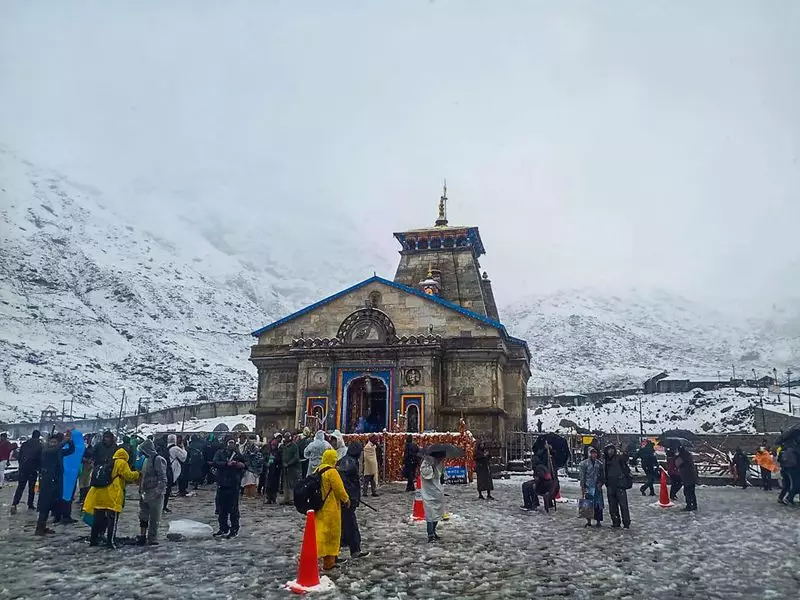
Uttarakhand Government Mulls Entry Restrictions for Non-Hindus at Badrinath and Kedarnath Temples
The Uttarakhand government is currently deliberating a significant proposal that could reshape access to two of India's most sacred Hindu pilgrimage sites. According to recent reports, authorities are considering implementing a ban on non-Hindus entering the Badrinath and Kedarnath temples, with a decision anticipated as early as this week.
Background and Context of the Proposed Ban
Badrinath and Kedarnath, nestled in the majestic Himalayas, are part of the Char Dham pilgrimage circuit and hold immense religious significance for Hindus worldwide. The temples attract millions of devotees annually, contributing substantially to Uttarakhand's spiritual tourism economy. The proposal to restrict entry stems from longstanding concerns about preserving the sanctity and traditional practices of these ancient shrines.
Proponents argue that such measures are necessary to maintain the religious purity and cultural integrity of the sites, which are dedicated to specific Hindu deities. They cite precedents in other Indian temples where similar restrictions are enforced to uphold devotional norms.

Potential Implications and Reactions
If approved, the ban would mark a notable shift in policy, potentially affecting tourists and pilgrims from diverse backgrounds who visit these temples out of curiosity or respect. Key implications include:
- Religious Exclusivity: Enhancing the Hindu-centric nature of the temples, aligning with traditional beliefs.
- Tourism Impact: Possibly reducing footfall from international and non-Hindu domestic tourists, though it might deepen the spiritual experience for Hindu devotees.
- Legal and Social Considerations: Raising questions about religious freedom and inclusivity in public spaces of worship.
Reactions to the proposal are expected to be mixed, with some communities welcoming it as a protective measure, while others may view it as exclusionary. The Uttarakhand government's decision will likely be influenced by:
- Feedback from religious authorities and temple trusts.
- Legal advisories on constitutional provisions regarding religious practices.
- Socio-political dynamics in the region.
Looking Ahead: Decision Timeline and Broader Significance
With the proposal under active consideration, stakeholders are keenly awaiting the outcome this week. This move could set a precedent for other Hindu temples in India, reflecting broader trends in religious governance and cultural preservation. As Uttarakhand balances spiritual heritage with modern inclusivity, the decision will be closely watched by devotees, policymakers, and observers alike.