Afghanistan Cricketers Withdraw from PSL Auction Amid Diplomatic Tensions
In a significant development that highlights the intersection of sports and geopolitics, Afghanistan cricketers have withdrawn from the first Players' Auction for the upcoming 11th edition of the Pakistan Super League (PSL). This decision comes amid escalating tensions linked to the direct signing of star opener Rahmanullah Gurbaz and the broader diplomatic situation between Pakistan and Afghanistan.
Players Pull Out Following Backlash
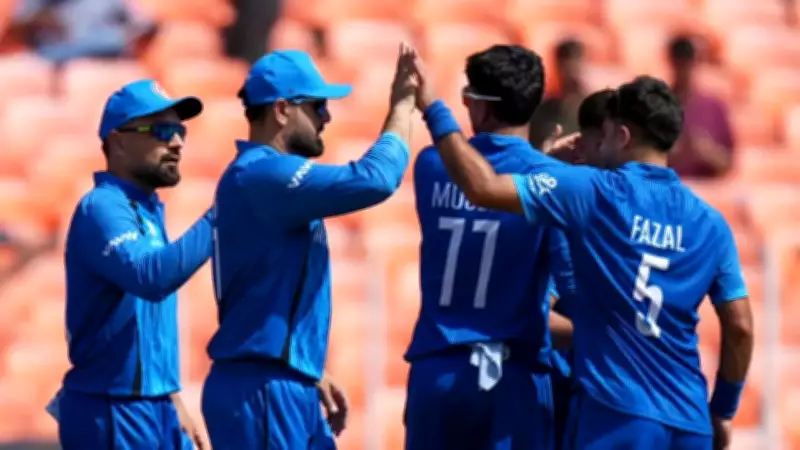
According to reports from news agency PTI, several prominent Afghanistan players had initially registered for the auction conducted in Lahore on Wednesday. The list included notable names such as Mujeeb ur Rehman, Seddiqullah Atal, Muhammad Nabi, Waqar Salamkheil, and Fazal Haq Farooqi. However, these players later decided to withdraw their names from the auction pool.
The catalyst for this collective withdrawal appears to be the severe backlash that followed Peshawar Zalmi's direct signing of Afghanistan opener Rahmanullah Gurbaz. PSL CEO Salman Naseer confirmed the situation, stating that while some Afghanistan players were part of the auction pool, no franchise ultimately selected them.

"They were a few Afghanistan players in the auction but no franchise went for them," Naseer said, as cited by PTI.
Diplomatic Strains Impact Cricket Relations
Naseer further elaborated that the strained relations between Pakistan and Afghanistan significantly influenced the situation. The diplomatic fracture between the two neighboring countries created an environment where cricket decisions became politically charged.
"There was a severe backlash after Zalmi signed Gurbaz because of the fractured relations between Pakistan and Afghanistan, and after Gurbaz pulled himself out of the PSL. So, the other players also decided better to avoid backlash," he explained.
Relations between Pakistan and Afghanistan have been particularly tense since late last year when the Pakistan military conducted aerial attacks in selected areas of Afghanistan, claiming to target militant groups. This military action has contributed to the current diplomatic impasse.
Social Media Controversy and Player Reactions
The situation has spilled over onto social media platforms, where several Afghanistan players have criticized the Pakistan government. These posts have drawn responses from Pakistan-based accounts, creating a digital battleground that mirrors the real-world tensions.
Rahmanullah Gurbaz, whose signing sparked the initial controversy, has previously played three PSL seasons. He represented Multan Sultans in 2021 and Islamabad United in both 2022 and 2023. Across 15 matches in the tournament, he scored 318 runs at an impressive strike rate of 159.79, including one half-century.
Interestingly, Gurbaz had also registered for the 2026 Indian Premier League (IPL) auction but remained unsold. His withdrawal from the PSL and the subsequent reaction from other Afghanistan players demonstrates how international cricket is increasingly influenced by geopolitical dynamics.
Broader Implications for Cricket Diplomacy
This incident raises important questions about the role of sports in international relations. Cricket has often served as a bridge between nations, but in this case, it has become another arena for expressing diplomatic tensions. The withdrawal of Afghanistan players from the PSL auction represents a significant development in the complex relationship between the two cricket-loving nations.
The Pakistan Super League, now in its 11th edition, has established itself as one of the premier T20 cricket tournaments globally. However, this controversy highlights how external political factors can impact player participation and team compositions in international sports leagues.
As diplomatic relations between Pakistan and Afghanistan remain strained, the future of cricket exchanges between the two countries appears uncertain. This incident serves as a reminder that in today's interconnected world, sports cannot exist in isolation from broader geopolitical realities.