Bangladesh Announces Boycott of T20 World Cup 2026 in India
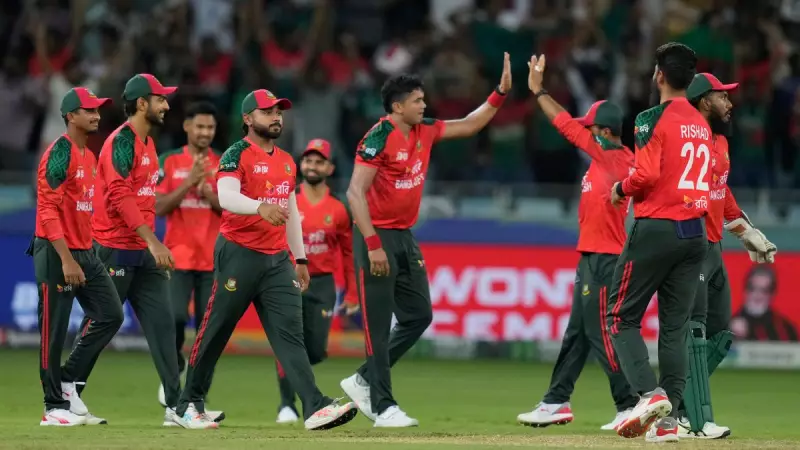
In a significant development that has sent shockwaves through the cricketing world, Bangladesh has officially declared its decision to boycott the T20 World Cup 2026, which is scheduled to be hosted by India. This move comes amidst escalating political tensions between the two neighboring nations, marking a rare instance of sports being impacted by diplomatic discord.
Reasons Behind the Boycott Decision
The Bangladesh Cricket Board (BCB) cited unresolved political issues and concerns over player safety as the primary reasons for their withdrawal from the prestigious tournament. This boycott represents a major setback for the International Cricket Council (ICC), which had been promoting the event as a celebration of global cricket unity. The decision follows months of strained relations, with Bangladesh expressing dissatisfaction over various bilateral matters that have spilled over into the sporting arena.
Experts believe that this boycott could have far-reaching implications for future cricketing events in the region, potentially affecting not only the T20 World Cup but also other international fixtures. The BCB emphasized that their stance is not against the spirit of cricket but is a necessary measure given the current geopolitical climate.

ICC Names Replacement Team for the Tournament
In response to Bangladesh's withdrawal, the ICC has swiftly moved to name a replacement team to ensure the tournament proceeds with a full complement of participants. The replacement team is expected to be announced imminently, with several associate nations reportedly in contention for the coveted spot. This decision underscores the ICC's commitment to maintaining the integrity and competitiveness of the T20 World Cup, even in the face of unexpected challenges.
The ICC has stated that they respect Bangladesh's decision while expressing hope for a resolution that might allow for future participation. This incident highlights the delicate balance between sports and politics, with cricket often serving as a barometer for international relations in South Asia.
Impact on the T20 World Cup 2026 and Beyond
The boycott is likely to affect the tournament's dynamics, potentially altering group compositions and match schedules. Fans and analysts are now speculating on how the replacement team might influence the overall competition, with some suggesting that this could open doors for emerging cricketing nations to showcase their talent on a global stage.
- Tournament Logistics: Organizers may need to adjust venues and timings to accommodate the new team.
- Financial Implications: The boycott could impact broadcasting rights and sponsorship deals tied to Bangladesh's participation.
- Diplomatic Fallout: This move might strain cricketing ties between India and Bangladesh, affecting bilateral series and collaborations.
As the cricketing community digests this news, all eyes are on the ICC's next steps and whether diplomatic efforts can bridge the gap before the tournament begins. The T20 World Cup 2026, once envisioned as a grand spectacle, now faces an unexpected hurdle that underscores the complex interplay between sports and global politics.