Former India Cricketer Voices Support for Pakistan Spinner Usman Tariq Amid Bowling Action Scrutiny
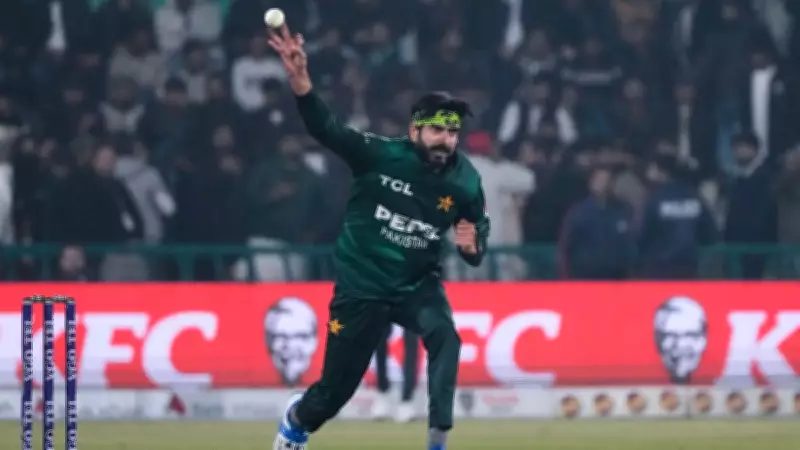
In a notable development that has captured the attention of the global cricket fraternity, a former Indian cricketer has stepped forward to defend Pakistan spinner Usman Tariq, asserting that his bowling action is within the legal boundaries set by the International Cricket Council (ICC). This statement comes at a time when Tariq's action has been under intense scrutiny, sparking debates among fans, analysts, and officials alike.
Background of the Controversy
Usman Tariq, a promising spinner for Pakistan, has recently faced questions regarding the legality of his bowling technique. Such controversies are not uncommon in cricket, where bowling actions are closely monitored to ensure fairness and adherence to the sport's regulations. The ICC has strict guidelines to prevent bowlers from gaining an unfair advantage through actions that exceed the permissible elbow extension, often referred to as "throwing."
Amid this backdrop, the former Indian cricketer, whose identity has been widely reported in sports media, threw his weight behind Tariq, emphasizing that the spinner's action appears clean and should not be subject to undue criticism. This support is significant given the historical rivalry between India and Pakistan, adding a layer of sportsmanship to the ongoing discourse.

Analysis of the Bowling Action
Experts have weighed in on Tariq's bowling style, noting that while some aspects might raise eyebrows, a thorough biomechanical analysis is essential to determine legality. The former India cricketer highlighted that Tariq's action involves a natural wrist movement and arm rotation, which are common among successful spinners. He pointed out that many bowlers have faced similar scrutiny in the past, only to be cleared after official assessments.
Key points from the former cricketer's defense include:
- Consistency in Action: Tariq has maintained a consistent bowling action across matches, which is often a positive indicator of legality.
- Lack of Official Complaints: No formal complaints have been lodged with the ICC regarding Tariq's action, suggesting that the controversy may be more speculative than substantive.
- Historical Precedents: Other spinners, including those from India and other countries, have overcome similar challenges, reinforcing the need for evidence-based judgments.
Implications for Cricket and Player Morale
This public backing from a former Indian player could boost Usman Tariq's confidence and morale, especially as he navigates the pressures of international cricket. For Pakistan, it underscores the importance of supporting young talent amidst controversies. The cricket community often sees such debates as opportunities to reinforce the spirit of the game, focusing on fair play and technical integrity.
Looking ahead, if Tariq's action is formally reviewed by the ICC, the outcome could set a precedent for how similar cases are handled in the future. Fans and stakeholders will be watching closely, as this incident highlights the ongoing challenges in maintaining bowling standards while fostering talent development.
In conclusion, the former India cricketer's support for Usman Tariq adds a compelling dimension to the discussion on bowling actions in cricket. It serves as a reminder that sportsmanship can transcend rivalries, emphasizing the need for objective analysis and support for players under scrutiny.