Exclusive Account Reveals Tense Negotiations Behind India-Pakistan T20 World Cup Resolution
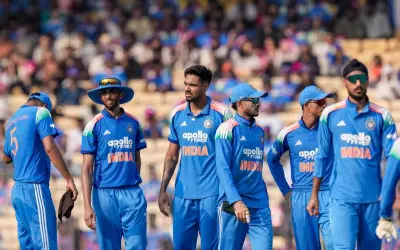
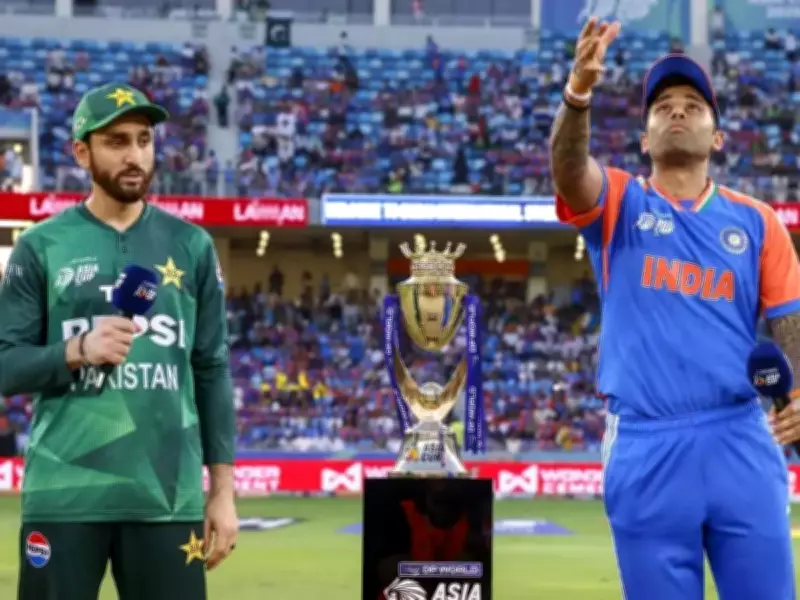
In the weeks leading up to the T20 World Cup hosted by India and Sri Lanka, the cricketing world's attention was not focused on batting lineups or bowling strategies, but rather on a critical administrative standoff that threatened to cancel the tournament's most anticipated fixture: the historic clash between India and Pakistan.
The Looming Crisis That Threatened Cricket's Biggest Spectacle
For an extended period, significant uncertainty clouded whether cricket's most commercially valuable contest would proceed as scheduled. The potential cancellation of this marquee match created palpable tension throughout the international cricket community, with stakeholders anxiously awaiting a resolution that would determine the tournament's ultimate success.
In an exclusive revelation, ICC Associate Member Director Mubashshir Usmani has provided a rare behind-the-scenes perspective on how this critical deadlock was ultimately broken. His account illuminates why the stakes extended far beyond a single cricket match, encompassing the financial health of global cricket and the future development of the sport worldwide.

The Resolution Process: Key Players and Critical Negotiations
When questioned about the exact resolution process for the India-Pakistan T20 World Cup deadlock, Usmani emphasized the complexity of the situation. "It was definitely not an easy task," he acknowledged. "However, full credit must go to all stakeholders for remaining flexible and working towards a resolution."
Usmani specifically highlighted the crucial contributions of ICC Chair Jay Shah, whose visionary leadership he credited with preventing a major setback for international cricket. Behind the scenes, ICC CEO Sanjog Gupta played an instrumental role in facilitating discussions between the Pakistan Cricket Board (PCB) and Bangladesh Cricket Board (BCB), working tirelessly to stitch together a workable solution that satisfied all parties involved.
Why This Match Matters Beyond National Rivalries
The significance of an India-Pakistan encounter during an ICC event extends far beyond national pride and traditional rivalries. Usmani explained that "everyone knows the importance of an India vs Pakistan match especially in an ICC event." He emphasized that the contest represents more than just revenue generation—it captivates billions of fans worldwide and elevates the entire tournament's profile as the biggest sporting spectacle in global cricket.
"Cricket would have been the ultimate loser had the India vs Pakistan match not taken place," Usmani stated unequivocally, highlighting how the sport itself would have suffered from the cancellation of this premier event.
Financial Implications for Associate Cricket Nations
The resolution carried particularly crucial implications for Associate Member nations, which depend heavily on ICC funding generated through major tournaments. Usmani revealed that "for some Associates, ICC funding is nothing short of a lifeline." The potential reduction in ICC revenues from a canceled India-Pakistan match would have directly translated to diminished funding for these developing cricket nations.
Such financial contraction could have proven catastrophic for the sustenance and growth of cricket in emerging regions, potentially setting back development programs and grassroots initiatives that rely on consistent international support.
Future Vision for ICC Under Current Leadership
Looking beyond the immediate crisis resolution, Usmani expressed confidence in the ICC's future direction under Jay Shah's leadership. He specifically praised Shah's efforts to expand cricket's global footprint, including the successful push for cricket's inclusion in the Olympic Games.
"Cricket in Olympics under his Chairmanship demonstrates the forward thinking of ICC," Usmani noted. He projected a very bright future for the organization and pledged the full cooperation of all Associate Members in implementing this expansive vision for cricket's continued global expansion.

The resolution of this high-stakes administrative standoff ultimately preserved not just a single cricket match, but protected the financial ecosystem supporting cricket's worldwide development while maintaining the sport's most captivating rivalry for fans across the globe.