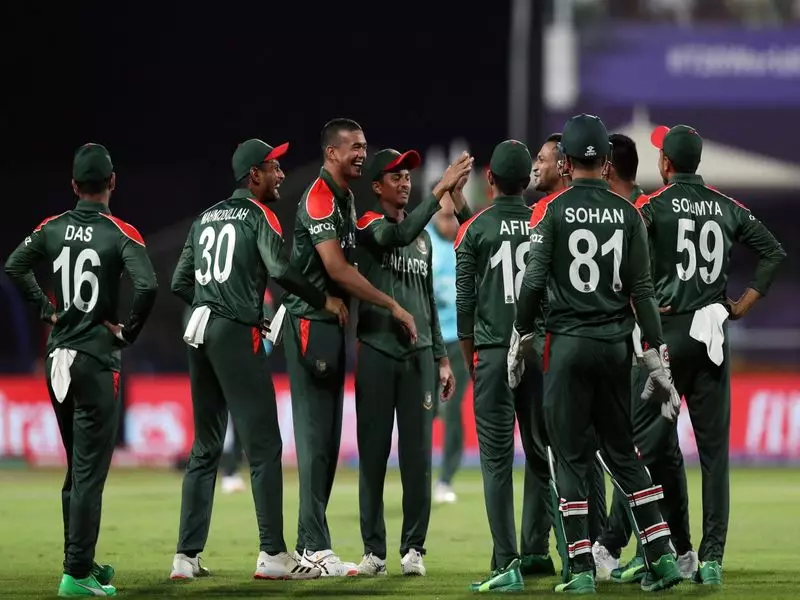
The International Cricket Council (ICC) has made a significant change to the lineup for the upcoming T20 World Cup 2026, replacing Bangladesh with Scotland. This decision comes after the Bangladesh Cricket Board (BCB) formally refused to participate in the tournament, which is scheduled to be hosted in India.
Background of the Refusal
The BCB cited security concerns as the primary reason for their refusal to play in India. This move has sparked discussions within the cricketing community about the implications for international sports diplomacy and team participation in major events.
ICC's Swift Response
In response to BCB's decision, the ICC acted promptly to ensure the tournament's integrity and competitive balance. Scotland, a team known for its growing prowess in limited-overs cricket, has been selected as the replacement. This opportunity marks a significant milestone for Scottish cricket, providing them with a platform to compete on the world stage.

Impact on the Tournament
The inclusion of Scotland is expected to add a fresh dynamic to the T20 World Cup 2026. With their recent performances in qualifiers and international matches, Scotland brings a competitive edge that could surprise many top-tier teams. Meanwhile, Bangladesh's absence will be felt, given their history in T20 cricket and passionate fan base.
Key Points to Note:
- The BCB's refusal is based on security assessments, highlighting ongoing geopolitical tensions.
- Scotland's promotion to the main event underscores the ICC's commitment to expanding cricket's global footprint.
- This change may affect group stage dynamics and scheduling for the 2026 tournament.
As preparations for the T20 World Cup 2026 continue, this development serves as a reminder of the complex interplay between sports, politics, and security in international events.