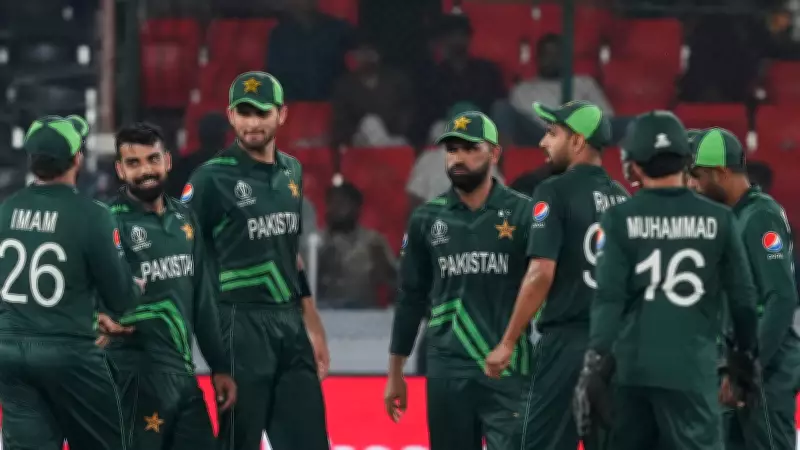
In a significant announcement from Islamabad, Pakistani Prime Minister Shehbaz Sharif has publicly disclosed the rationale behind Pakistan's decision to boycott the highly anticipated IND vs PAK match in the upcoming ICC T20 World Cup 2026. The move, which has sparked widespread discussion in cricket circles, is framed as a principled stand in solidarity with Bangladesh, emphasizing the need to keep politics out of sports.
Pakistan's Stance on Sports and Politics
During a federal cabinet meeting held in Islamabad, Prime Minister Shehbaz Sharif articulated Pakistan's position clearly. He stated in Urdu, "T20 World Cup jo hai, us hawale se hum ne bada wazi stand liya hai ke hum Hindustan ke khilaf jo match hai woh nahi khelenge, kyun ke Pakistan ne kaha ke yeh khel ka maidan hai, yeh siyasat nahi hai. Khel ke maidan mein siyasat bilkul nahi honi chahiye." This translates to English as, "Pakistan has taken a clear and unequivocal stance in the T20 World Cup, stating that it will not play against India. Pakistan maintains that sports and politics should be separate."
Solidarity with Bangladesh
Further elaborating on the decision, Sharif emphasized that this boycott is not merely a symbolic gesture but a calculated move to support Bangladesh. He added, "Hum ne bada soch samajh kar yeh stand liya hai aur is hawale se humein Bangladesh ke saath poori tarah khade hona chahiye." In English, this means, "We have taken this stand after careful consideration, and on this principle, we should stand in full solidarity with Bangladesh." This statement underscores Pakistan's commitment to aligning with Bangladesh on this issue, though specific details of Bangladesh's stance or reactions were not elaborated upon in the announcement.

Implications for the T20 World Cup 2026
The boycott of the IND vs PAK match could have significant repercussions for the ICC T20 World Cup 2026, as matches between India and Pakistan are traditionally among the most watched and highly anticipated events in international cricket. This decision highlights ongoing geopolitical tensions in the region and raises questions about how such stances might affect future sporting events. Cricket fans and analysts are now closely monitoring developments, as this move could set a precedent for how political issues intersect with global sports tournaments.
As this story continues to unfold, more details are expected to emerge regarding the broader context and reactions from other nations involved. The international cricket community awaits further updates on how this boycott will be implemented and its potential impact on the tournament's schedule and dynamics.