Pakistan Cricket Board Lays Out Three Demands to Resolve India Boycott Crisis in T20 World Cup 2026
The Pakistan Cricket Board (PCB) has taken a decisive step to address the ongoing boycott of the India match in the T20 World Cup 2026 by presenting three specific demands during a crucial meeting with the International Cricket Council (ICC). This development comes as the tournament faces uncertainty due to political tensions affecting the high-profile clash scheduled for February 15 in Colombo.
Tripartite Meeting in Lahore Seeks Resolution
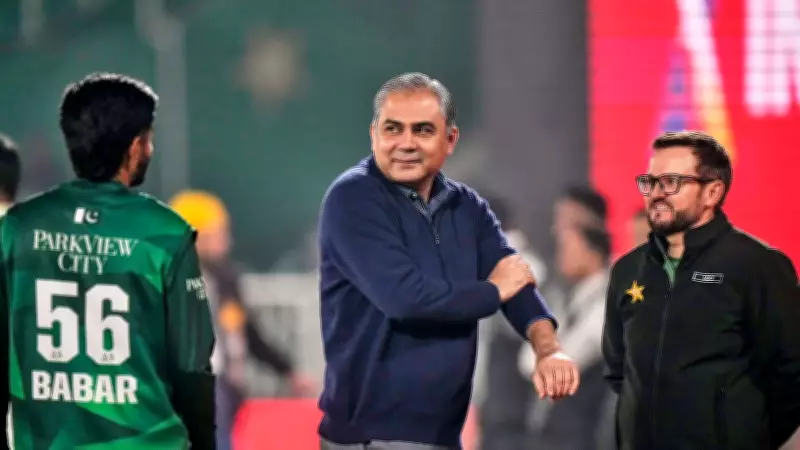
On Sunday, a two-member ICC delegation met with PCB chairman Mohsin Naqvi in Lahore to discuss Pakistan's decision to boycott the match against India. The meeting, which also included Bangladesh Cricket Board (BCB) president Aminul Islam, aimed to find a diplomatic solution to the impasse. The PCB's demands are seen as a critical move to end the boycott while addressing underlying concerns.
The boycott was initiated by the Pakistan government in solidarity with Bangladesh, which had earlier refused to play on Indian soil citing security reasons. This directive has placed the PCB in a challenging position, forcing them to comply with governmental instructions while navigating international cricket commitments.

Details of PCB's Three Demands
Although the exact specifics of the three demands have not been fully disclosed, reports indicate they focus on security assurances, diplomatic protocols, and tournament logistics. The PCB is seeking guarantees that will allow the national team to participate in the match against India without compromising their stance or safety.
- Enhanced security measures for players and officials during the tournament.
- Clear diplomatic frameworks to prevent future boycotts and ensure smooth bilateral relations.
- Revised scheduling or venue considerations to accommodate geopolitical sensitivities.
The involvement of the BCB president suggests that the issue is intertwined with broader regional cricket politics, adding layers of complexity to the negotiations.
Impact on T20 World Cup 2026 and Stakeholders
The boycott has put all stakeholders, including the ICC, host nations, and fans, into a difficult position. The India-Pakistan match is one of the most anticipated fixtures in world cricket, and its cancellation could have significant financial and viewership implications. The PCB's demands represent an attempt to balance national interests with the spirit of the game.
Mohsin Naqvi, alongside Pakistan head coach Mike Hesson, has been at the forefront of these discussions, emphasizing the need for a resolution that respects all parties involved. The ICC's response to these demands will be crucial in determining whether the match proceeds as planned.
As the T20 World Cup 2026 approaches, the cricket world watches closely, hoping for a diplomatic breakthrough that will allow the tournament to proceed without further disruptions. The outcome of this meeting could set a precedent for how cricket governing bodies handle politically charged situations in the future.