Ajinkya Rahane Condemns Bangladesh's T20 World Cup 2026 Withdrawal from India
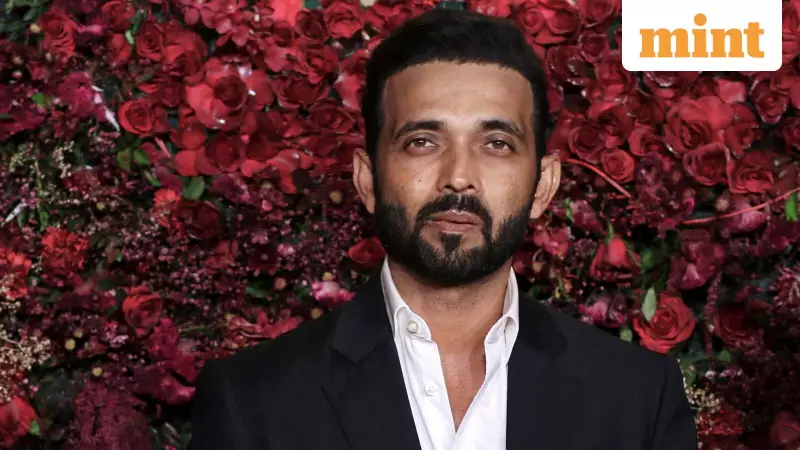
Indian cricket luminary Ajinkya Rahane has issued a stern rebuke of Bangladesh's decision to boycott the T20 World Cup 2026 matches scheduled in India, labeling the move as a significant blow to their cricketing progress. The controversy reached its climax when the Bangladesh Cricket Board (BCB) failed to meet the International Cricket Council's final 24-hour deadline to confirm participation. Consequently, the ICC has officially replaced Bangladesh with Scotland in the prestigious tournament, which is jointly hosted by India and Sri Lanka.
Security Concerns Spark Diplomatic Cricket Standoff
The diplomatic impasse originated from security apprehensions linked to the withdrawal of Bangladeshi pacer Mustafizur Rahman from the IPL 2026. Despite the ICC providing comprehensive assurances regarding robust safety protocols and measures, the BCB remained resolute in its stance, refusing to dispatch its national team for India-hosted fixtures. This triggered a prolonged standoff, with the global cricketing body rejecting proposals for venue alterations and ultimately issuing firm ultimatums that led to Bangladesh's exclusion.
Rahane Defends India's Impeccable Security Record
During an exclusive interview on Cricbuzz Live with hosts Joy Bhattacharjya and Gaurav Kapur, Ajinkya Rahane expressed profound surprise at the raised security concerns. He passionately defended India's credentials, stating, "I am firstly surprised to see these security concerns. India is the safest place; we maintain stringent protocols here. The hospitality in India is globally renowned. Our security personnel and police forces are exceptionally proactive. I firmly believe India stands as one of the safest destinations to play cricket."

The former Indian captain emphasized the meticulous, proactive approach adopted during ICC events, noting, "Whenever an ICC tournament occurs, authorities are consistently concerned about every team's welfare. I am astonished that players will likely miss this opportunity. This is unequivocally Bangladesh's loss."
Long-Term Ramifications for Bangladesh Cricket
Rahane issued a stark warning about the potential long-term damage to Bangladesh's cricketing ecosystem. He elaborated, "In the future, if India reciprocates by not touring Bangladesh, it could severely harm Bangladesh's cricket. Players are missing out; they would undoubtedly desire to participate in this magnificent event."
Despite the criticism, Rahane acknowledged Bangladesh's cricketing strengths and expressed genuine sorrow over their absence. He remarked, "They are one of the formidable teams in the subcontinent. They possess skilled spinners, a potent bowling attack, and experienced batters capable of excelling in these conditions. I genuinely feel sad for the Bangladesh team, their players, and passionate fans. They have been performing admirably, providing stiff competition to every opponent."
Broader Implications for Global Cricket Unity
This contentious decision has ignited widespread debate regarding cricket's unity amidst escalating geopolitical tensions. While Pakistan publicly supported Bangladesh's stance, the ICC upheld the original tournament schedule, underscoring the complexities of organizing global sporting events. Scotland's inclusion offers a fresh competitive opportunity, yet this episode starkly highlights the persistent challenges in maintaining harmony and cooperation in international cricket tournaments.
The situation raises critical questions about:
- The balance between security perceptions and actual protocols
- The impact of bilateral relations on multilateral sporting events
- The potential ripple effects on future ICC tournaments and host nations
- The missed opportunities for emerging cricket nations to compete at the highest level
As the cricketing world prepares for the T20 World Cup 2026, this controversy serves as a poignant reminder of the delicate interplay between sports, diplomacy, and security in today's interconnected world.