Ranji Trophy Match Marred by Ugly On-Field Altercation
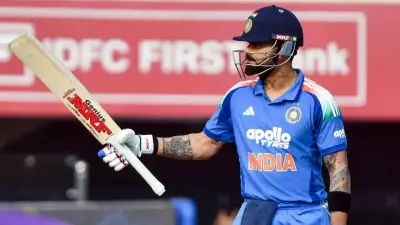
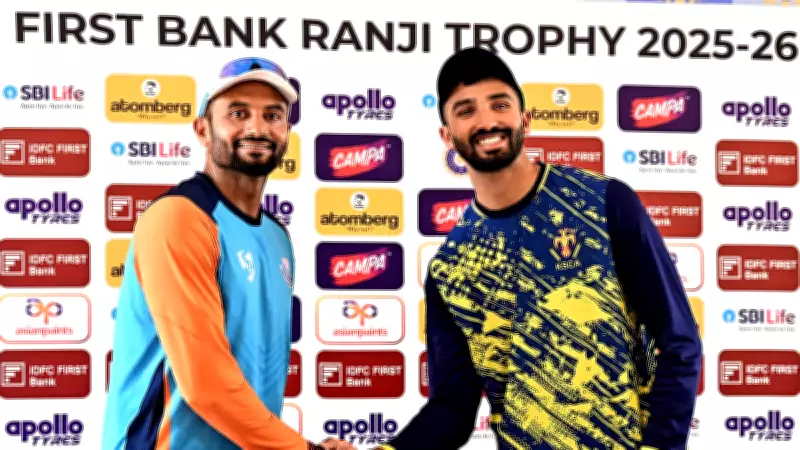
In a shocking turn of events during a recent Ranji Trophy match, Jammu & Kashmir captain Paras Dogra found himself at the center of a major controversy. The incident unfolded during a tense encounter against Karnataka, escalating from a verbal spat into a physical confrontation that has sparked widespread discussion in the cricketing community.
The Escalation: From Words to Action
The altercation began with a heated exchange between Dogra and Karnataka player KV Aneesh. What started as typical on-field banter quickly spiraled out of control as tensions mounted between the two teams. Witnesses reported that the chatter grew increasingly aggressive, with both players appearing visibly agitated.
The situation reached its boiling point when Dogra, in a moment of apparent frustration, intentionally headbutted a substitute fielder who was positioned at silly point. The physical contact was clear and deliberate, catching players, officials, and spectators by surprise. The substitute fielder, who was manning the close-in position, appeared stunned by the unexpected aggression.

Dogra's Response: Minimizing the Incident
Following the match, Paras Dogra addressed the controversial moment with a surprisingly casual attitude. When questioned about the headbutt, the J&K skipper downplayed the severity of his actions, stating simply, 'These things happen.' His response suggested he viewed the physical altercation as an unfortunate but acceptable part of competitive cricket.
Dogra's nonchalant dismissal of the incident has raised eyebrows among cricket analysts and fans alike. Many have questioned whether such behavior should be normalized in professional sports, particularly in a prestigious domestic tournament like the Ranji Trophy.
Broader Implications for Domestic Cricket
This incident highlights several concerning trends in contemporary cricket:
- Increasing aggression in domestic competitions
- Questionable sportsmanship among experienced players
- Normalization of physical confrontations in high-pressure situations
- Leadership accountability when captains engage in unsportsmanlike conduct
The Ranji Trophy has long been considered the backbone of Indian cricket, serving as the primary platform for identifying and nurturing future national team talent. Incidents like this threaten to undermine the tournament's reputation and could potentially influence younger players watching from the sidelines.
Historical Context and Precedents
While on-field altercations are not unprecedented in cricket history, the deliberate nature of Dogra's headbutt sets this incident apart from typical heated exchanges. Domestic cricket in India has generally maintained higher standards of conduct compared to some international leagues known for their aggressive atmospheres.
Cricket authorities will likely review the incident carefully, considering both the immediate context and the broader message it sends about acceptable behavior in the sport. The response from governing bodies could set an important precedent for how similar situations are handled in future domestic matches.
As the cricketing world awaits official statements and potential disciplinary actions, this incident serves as a reminder that even in highly competitive environments, maintaining decorum and sportsmanship remains paramount. The Ranji Trophy's integrity depends not just on the quality of cricket played, but on the conduct of those who participate in it.