Mohammed Siraj Rested for India vs Namibia T20 World Cup Clash: Team Strategy Explained
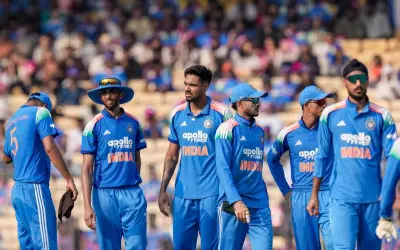
In a strategic move by the Indian cricket team management, fast bowler Mohammed Siraj has been rested for the T20 World Cup 2026 group stage match against Namibia. This decision, confirmed ahead of the game, is part of a carefully planned rotation policy aimed at managing player workload and ensuring peak fitness for the crucial knockout phases of the tournament.
Strategic Rotation Policy in Play
The Indian team, led by captain Rohit Sharma and coached by Rahul Dravid, has implemented a rotation strategy to keep key players fresh throughout the demanding World Cup schedule. Siraj, who has been a vital component of India's pace attack, is being given a break to prevent burnout and reduce the risk of injury. This approach allows other bowlers in the squad to gain match experience while maintaining the team's competitive edge.
Team management sources indicate that Siraj's absence is purely precautionary and not due to any fitness concerns. He is expected to return for subsequent matches, especially as India progresses to the Super 8 and potential semifinal stages. The decision underscores the long-term planning focus of the Indian cricket board, prioritizing player health and tournament success over short-term gains in less critical matches.

Impact on India's Bowling Lineup
With Siraj not playing, India's bowling attack against Namibia will see adjustments. Pacers like Arshdeep Singh and Jasprit Bumrah are likely to lead the charge, supported by spin options such as Kuldeep Yadav and Ravindra Jadeja. This rotation provides an opportunity for bench strength to showcase their skills and contribute to the team's depth.
The match against Namibia, while important for securing a top position in the group, is considered a lower-pressure fixture compared to clashes against stronger opponents. This makes it an ideal scenario for resting key players without significantly compromising the team's chances of victory. India's squad depth allows for such flexibility, with multiple players capable of stepping up in Siraj's absence.
Broader Context of Player Management in Modern Cricket
Player rotation has become a common practice in international cricket, particularly during multi-nation tournaments like the T20 World Cup. The intense schedule, combined with travel and varying conditions, puts immense physical and mental strain on athletes. By resting players like Siraj, teams aim to:
- Minimize injury risks and ensure availability for critical matches.
- Maintain high performance levels throughout the tournament.
- Develop squad depth by giving opportunities to reserve players.
- Adapt to different pitch conditions and opponent strategies.
This strategy reflects a shift towards data-driven decision-making in sports, where analytics on player fatigue and match importance guide selection choices. For India, it aligns with their goal of winning the T20 World Cup 2026, balancing immediate match needs with long-term tournament objectives.
Looking Ahead: India's World Cup Campaign
India's match against Namibia is part of their group stage campaign, where they are favorites to advance to the next round. Siraj's rest is expected to be a one-off measure, with him likely returning for upcoming games against tougher opponents. The team management will continue to monitor player fitness and make similar decisions as needed to optimize performance.
Fans and analysts have largely supported the move, recognizing the importance of keeping star players like Siraj fresh for high-stakes encounters. As the tournament progresses, such strategic rests could play a key role in India's quest for T20 World Cup glory, demonstrating the evolving nature of cricket team management in the modern era.