Bielsa Condemns Hydration Breaks as Culture Shift
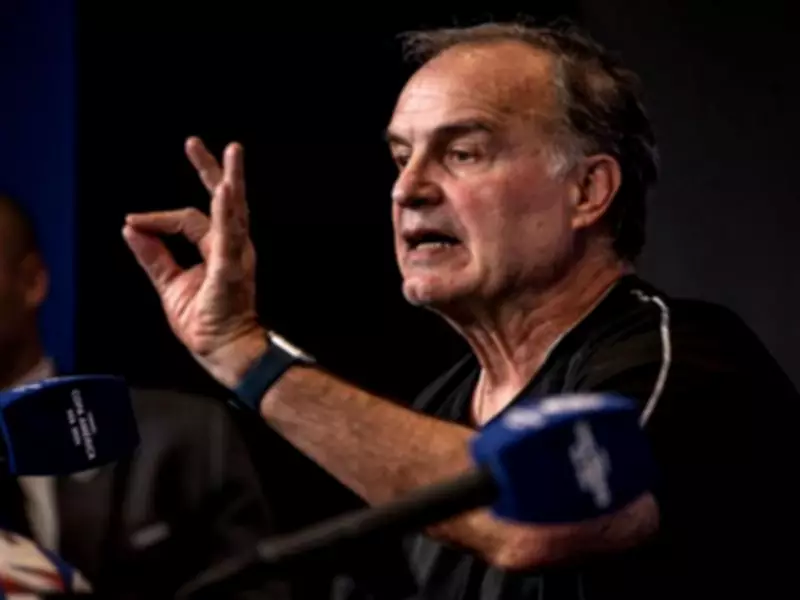
Uruguay head coach Marcelo Bielsa has strongly criticised the mandatory hydration breaks introduced at the FIFA World Cup 2026, arguing that the measure fundamentally changes the nature of football. Speaking ahead of Uruguay's Group-stage match against Cape Verde on Sunday, Bielsa said the breaks split the game into four segments instead of two, altering a culturally established understanding of the sport.
FIFA implemented three-minute hydration breaks midway through each half due to extreme temperatures across several host cities in the United States, Canada, and Mexico. While the initiative is framed as a player welfare measure, it has sparked debate among coaches, players, and traditionalists. Bielsa is among the most vocal critics.
"Playing four times instead of two alters the conception of what had been culturally built to interpret football," Bielsa told reporters, as per Reuters. "This change of culture does not add anything and takes away a lot. I will just say that before this decision, football had a characteristic; now it has another. People fall in love with the game because of its characteristics."

Technology vs. Welfare: Bielsa Draws Distinction
The veteran coach acknowledged the positive impact of technology on football, such as VAR, but suggested the reasoning behind hydration breaks differs. "Of course, technology like VAR, we commend it and value it. Technology offers more opportunities. There is another intention for the breaks, and the conclusions I'm making here are not really my own. I also echo what I hear as well," said Bielsa, according to the report.
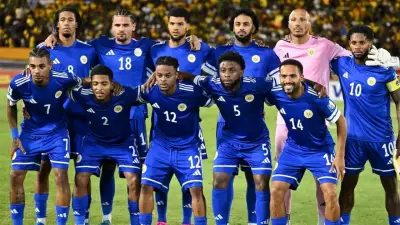
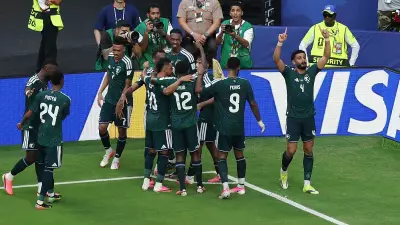
Uruguay enter their second Group-stage match with one point after a 1-1 draw against Saudi Arabia, leaving the group finely balanced with all four teams level on a point. Cape Verde, meanwhile, impressed in a goalless draw against European champions Spain.
Uruguay's Tactical Struggles and Nunez Drought
Reflecting on Uruguay's opening match, Bielsa admitted his side struggled to break down a compact defensive setup in the first half. "We did have a lot of possession and very few chances created in the first half," Bielsa explained, adding that the team already knows the formation they need to play. "In the second half, it was agile and offensive possession, dynamic in nature with a high level of mobility."
Much of the scrutiny after the Saudi Arabia match focused on striker Darwin Nunez, who managed just one shot before being substituted at halftime. The 26-year-old has now gone 14 matches without scoring for Uruguay, leading to speculation that he could be left out of the starting lineup against Cape Verde. Bielsa, however, dismissed concerns about the forward's mentality and motivation. "Any footballer who is taking part at the World Cup doesn't need any motivation," Bielsa said, according to Reuters. "The consequences, the scope, the magnificence of such a high-calibre tournament - anyone taking part makes them highly driven and justifiably so."
Bielsa's Light Moment on Tattoo Pledge
The usually serious coach also shared a lighter moment during the press conference when asked whether any Uruguay players would follow Spain defender Marc Cucurella's pledge to get a tattoo of coach Luis de la Fuente if Spain win the World Cup. "This is not going to happen," Bielsa said emphatically, drawing laughter from those present.