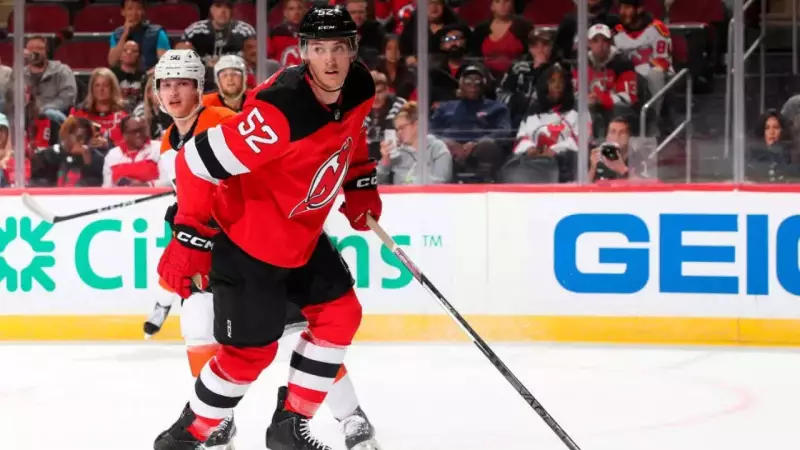
The return of defenseman Cal Foote to North American professional hockey has become a defining moment, forcing the sport's community to confront difficult questions about conduct, trust, and the possibility of second chances. More than just a player signing a contract, Foote's path back to the ice with the Chicago Wolves of the AHL has ignited a fierce debate on whether performance and personal character can ever be truly separated in the modern game.
From Acquittal to Reinstatement: A Controversial Path
Cal Foote's journey back began after he was acquitted in the 2018 Hockey Canada sexual assault case. Following this legal outcome, the NHL granted him reinstatement. However, the league was unequivocal in its statement, asserting that the players' actions had "fell woefully short" of the NHL's standards. This official condemnation, despite the legal acquittal, created a complex backdrop of unresolved tension and strong emotions among fans and observers.
The latest chapter unfolded when the Chicago Wolves offered Foote a one-year AHL deal. This contract is significant as it provides a potential pathway for him to eventually rejoin the Carolina Hurricanes' NHL roster. His on-paper credentials are solid; Foote recorded 30 points in 38 games during a strong season in Slovakia, proving he remains a capable hockey asset from a purely statistical viewpoint.

Fan Reaction: A Divided Hockey World
The announcement from the Wolves triggered an immediate and loud reaction across social media and fan forums, revealing a deep split in the hockey community. A significant portion of the response was sharply critical and unforgiving.
Comments ranged from simple expressions of disappointment like "That’s disappointing" and "disgusting" to more detailed concerns. One fan explicitly warned, "Keep him far far away from any of the Cane’s prospects… adding such a low character player is not a good decision." This sentiment echoed a broader worry about his influence on younger players, team culture, and the sanctity of the locker room.
Conversely, a separate group of supporters emerged, focusing on the sportive aspect. Comments such as "Nice signing need more blue line depth" indicated a willingness to move forward and judge Foote solely on his future performance with the Wolves, setting aside the past allegations. This divide highlights the central conflict: is professional hockey solely about athletic contribution, or does a player's off-ice history remain an indelible part of their profile?
The Bigger Picture: Redemption in Professional Sports
Foote's situation is not isolated. It draws direct parallels to cases like that of goalie Carter Hart, who, after being cleared and reinstated, told fans he was focused on moving ahead and showing his "true character." These cases frame a larger, ongoing conversation within hockey culture about the mechanisms and limits of redemption.
The NHL's decision on eligibility is an administrative one, but public acceptance operates in a separate court of opinion. For Cal Foote, the challenge with the Chicago Wolves extends far beyond scoring points or playing solid defense. His most daunting task is to convince a skeptical and wounded fanbase that professional redemption is possible without erasing or ignoring the past.
Ultimately, his one-year AHL deal is more than a sports contract; it is a litmus test for the values of the hockey world. The sport now watches to see how this story of return, reputation, and reconciliation will unfold on and off the ice.