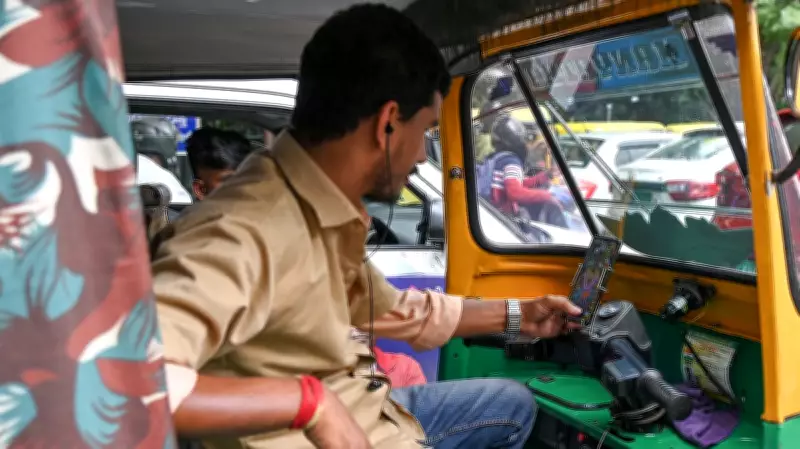
Auto-rickshaw fares on ride-hailing platforms in Bengaluru have surged nearly 40% above the government-regulated rates, according to a recent analysis. Commuters are paying significantly more for short-distance trips, with fares often exceeding the Karnataka government's fixed tariff structure. The discrepancy has sparked concerns over pricing transparency and passenger exploitation.
Comparative Fare Analysis
A comparison of fares across popular ride-hailing apps reveals that auto-rickshaw charges are consistently higher than the official rates set by the Karnataka State Transport Authority. For instance, a 5-kilometer ride that should cost around INR 50 as per government rates is being charged between INR 70 and INR 75 on these platforms. This marks a 40% increase over the standard fare.
Impact on Daily Commuters
Bengaluru, known for its heavy traffic and reliance on auto-rickshaws for last-mile connectivity, has seen a sharp rise in commuting costs. Daily commuters, especially those who travel short distances, are feeling the pinch. Many have taken to social media to express their frustration, calling for regulatory intervention to cap surge pricing.

Reasons Behind the Surge
Industry experts attribute the fare hike to several factors, including increased demand, dynamic pricing algorithms, and higher operational costs for auto-rickshaw drivers. Ride-hailing companies argue that the surge pricing helps ensure availability during peak hours and in high-demand areas. However, consumer advocacy groups claim that the lack of transparency in fare calculations leaves passengers vulnerable to excessive charges.
Government Response
The Karnataka government has acknowledged the issue and is considering measures to regulate fares on ride-hailing platforms. Officials have hinted at possible revisions to the existing tariff structure to include a cap on surge pricing. Meanwhile, the transport department has urged commuters to report overcharging incidents through dedicated helplines.
Passenger Perspectives
Many passengers feel that the ride-hailing apps are exploiting the lack of alternatives. “I used to rely on these apps for my daily commute, but now I try to book autos on the street or use public transport,” said a resident of Indiranagar. Others have called for stricter enforcement of government rates and better integration of public transport options.
As the debate continues, commuters are advised to compare fares across different apps and consider alternative modes of transport to avoid inflated charges. The situation underscores the need for a balanced approach that ensures fair pricing for passengers while sustaining driver livelihoods.