India's legal system confronts the rise of AI-generated deepfakes
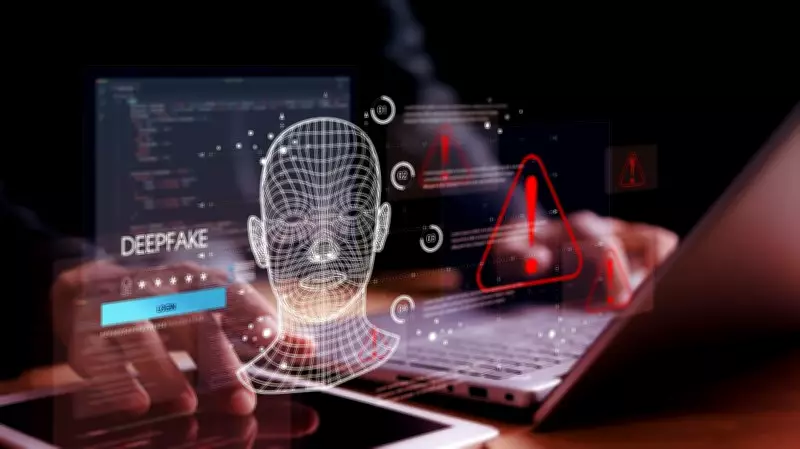
Imagine scrolling through Instagram and seeing a video of Amitabh Bachchan promoting a sketchy cryptocurrency, or a Bollywood actress appearing in a clip that looks real but isn't, or Virat Kohli endorsing a product he's never heard of. This is the new reality of deepfakes—AI-generated content that clones voices and faces with terrifying ease. India is now scrambling to protect what many thought was inviolable: the right to one's own identity.
The legal landscape of personality rights in India
Personality rights, which include the right to control the commercial use of one's name, image, and likeness, have traditionally been protected under privacy and publicity laws. However, deepfakes have exposed significant gaps. According to legal experts, current laws like the Information Technology Act and the Indian Penal Code are ill-equipped to handle the scale and sophistication of AI-generated impersonations. The need for a comprehensive legal framework has never been more urgent.
High-profile cases highlight the threat
Several Indian celebrities have already taken legal action. In 2025, actor Amitabh Bachchan filed a case against multiple entities for using his voice and image without consent. Similarly, cricketer Virat Kohli has sought injunctions against deepfake advertisements. These cases underscore the vulnerability of public figures, but the threat extends to ordinary citizens as well. A 2026 report by the Cyber Peace Foundation noted a 300% increase in deepfake-related complaints in India over the past year.

The impact on democracy and society
Deepfakes are not just a celebrity problem. They pose a serious threat to democratic processes, as fake videos of politicians can spread misinformation. In 2024, a deepfake video of a political leader went viral, causing widespread confusion before it was debunked. The government has since formed a task force to address AI-generated disinformation, but critics argue that enforcement remains weak.
Legal reforms underway
In response, the Indian government is considering amendments to the IT Act to specifically criminalize non-consensual deepfakes. The proposed Digital India Act, expected to be tabled in Parliament in 2027, includes provisions for personality rights and penalties for misuse of AI. Meanwhile, courts have begun issuing landmark judgments. In a 2025 ruling, the Delhi High Court recognized personality rights as a form of intellectual property, granting injunctions against unauthorized use of a celebrity's likeness.
What this means for you
While celebrities lead the legal charge, the implications for ordinary Indians are profound. Your face, voice, and even your digital footprint can be weaponized. Experts advise caution when sharing personal media online and recommend using watermarking and authentication tools. As one legal scholar noted, 'In the age of AI, your identity is no longer just yours—it's a data point that can be cloned.'
The road ahead
India's journey to protect personality rights is still in its early stages. The balance between innovation and privacy remains delicate. As deepfake technology evolves, so must the law. The story of personality rights in India is one of drama, dignity, and the relentless march of technology—a battle for the very essence of what it means to be oneself.