New Delhi: In the fifth edition of Operation CyHawk, Delhi Police has arrested 916 individuals and taken legal action against 4,290 people. The 48-hour nationwide operation ran from 8 am on June 16 to 8 am on June 18. All 15 district police units, along with the intelligence fusion and strategic operations (IFSO) unit and crime branch, coordinated the offensive against cyber fraud networks. Police Commissioner Satish Golchha monitored the operation.
Massive Deployment Across States
A total of 715 teams, comprising 2,374 personnel, were deployed across 21 states and Union territories. Simultaneous raids led to the detention of 7,189 individuals. Of these, 916 were arrested, and 691 were bound down. Police registered 481 FIRs and solved 410 pending cybercrime cases linked to complaints on the National Cybercrime Reporting Portal (NCRP). These cases cumulatively involved frauds amounting to nearly Rs 700 crore.
Key Arrests and Seizures
Four bank officials were arrested for allegedly facilitating cybercrime. Two Nigerian nationals suspected of involvement were deported. Police emphasized that mule accounts remain the backbone of cyber fraud. Fraudsters, whether gangs in Jamtara and Mewat or organized crime compounds in Southeast Asia, recruit people through social media platforms, luring them with work-from-home offers, task-based incentives, and commission-based schemes. Recruits open bank accounts and hand over control of their SIM cards and debit cards to fraudsters. During the operation, over 3,600 people linked to mule account networks were rounded up, connected to 2,300 complaints on NCRP.

Evolving Cyber Threats
Investigators noted that conventional OTP-based fraud is increasingly being replaced by malware-as-a-service (MaaS). Cybercriminals deploy malicious Android applications that intercept OTPs and forward them to fraudsters. These apps are disguised as utility services, such as bill payment or vehicle registration apps, and are installed after victims are duped by fraudsters posing as bank or service officials. Police said the malware infrastructure is often leased out on a subscription basis, with Telegram and other platforms used for its circulation. Operation CyHawk specifically targeted those distributing and installing such APK files.
Fake Call Centers Busted
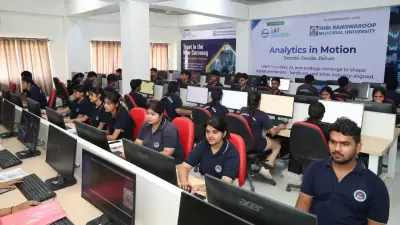
Police also busted multiple fraudulent call centers operating in Delhi under the guise of legitimate businesses. These centers duped victims through fake job offers, modeling assignments, insurance schemes, and astrological consultations. Separately, the IFSO unit cracked down on international tech-support scam centers that impersonated global technology companies to defraud foreign nationals. Call center owners, floor managers, supervisors, and operators were among those arrested.
Seized Assets and Evidence
Police seized over 760 mobile phones, 820 SIM cards, 228 ATM cards, 247 bank kits and passbooks, 323 Aadhaar cards, 104 laptops and computers, and Rs 21.72 lakh in cash. An SUV and 11 point-of-sale (PoS) machines were also confiscated. Investigators recovered cheque books, signed cheques, RTGS slips, cash withdrawal slips, and a PAN card, indicating increasingly sophisticated methods of layering and laundering cybercrime proceeds.