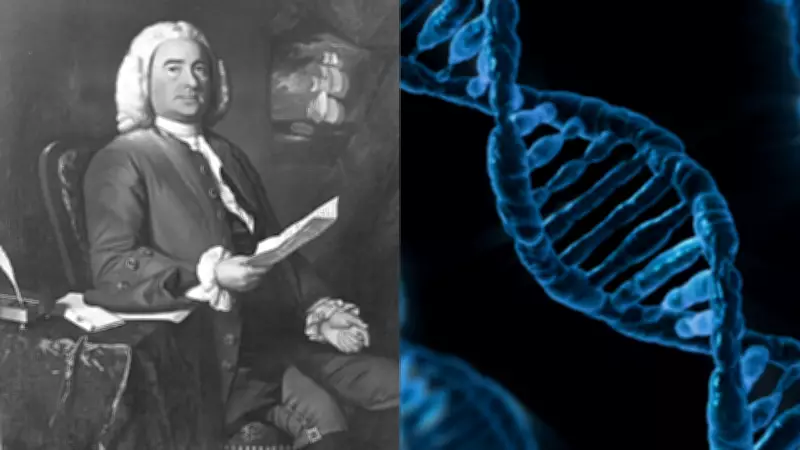
New research from Harvard University has revealed that more than 1.3 million living individuals share genetic material with some of the original colonists of Maryland, according to a groundbreaking genetic study titled 'The genetic legacy of the 17th-century colonial capital of St. Mary’s City' published in Current Biology. The study examined DNA recovered from the bones of 49 colonists buried at St. Mary’s City, the first permanent English colony in the United States, established in 1634. Genetic analysis uncovered ancestry and migration patterns linked to western England, Wales, and Ireland.
DNA Study Uncovers Genetic Links to Maryland’s First Settlers
The investigation involved analyzing skeletons unearthed from the Chapel Field cemetery at Historic St. Mary’s City, where colonists were buried from 1634 to 1730. Researchers combined archaeological data with modern genetics to map relationships between the colony and over one million present-day descendants. By comparing their data against more than 11.5 million people in the 23andMe dataset, they identified over 1.3 million living genetic relatives. Most colonists showed strong genetic affinity to western England and Wales, with some exhibiting Irish heritage.
According to Éadaoin Harney, senior scientist at the 23andMe Research Institute, the results highlight “the utility of ancient DNA studies to help bridge gaps in history.”

Researchers May Have Identified Maryland’s Governor Thomas Greene
One of the most striking findings is the potential identification of Thomas Greene, the second colonial governor of Maryland, along with other family members. Scientists used a novel genetic model of identity by descent, combined with family tree data, to narrow down the identities of unknown remains. “This is the first time that ancient DNA has been used to identify individuals whose identity had not been previously known,” Harney noted in a press release. Additionally, the research confirmed burials associated with the prominent Calvert family, including Philip Calvert, the fifth colonial governor of Maryland. This is historically significant, as several Calvert family members died in St. Mary’s during the colonial era.
Ancient DNA Reveals Migration Patterns Across America
Beyond familial relationships, the study identified migration patterns spanning centuries. Genetic data showed strong similarities between descendants of Maryland Catholics and communities in Kentucky, corroborating historical accounts of mass migration after the American Revolutionary War. Experts attribute this migration, occurring between 1780 and 1820, to poverty and religious discrimination. Harney stated that finding such a genetic signature linked to a historically known migration route underscores the power of combining DNA sequencing with genealogical information.
David Reich, professor of genetics at Harvard Medical School and co-senior author of the paper, noted that even with ample written history, genetic studies can still produce “surprises.”
Why the Maryland DNA Discovery Matters
These findings offer a unique glimpse into the lives of early English settlers in America and demonstrate the growing influence of science on historical research. By integrating genetics, archaeology, and historical documents, it is now possible to uncover lost identities and trace human movements over hundreds of years. As the nation celebrates its 250th anniversary, this study highlights increasing American interest in ancestral roots. What began with identifying 49 bodies in St. Mary’s City now connects millions of Americans to one of the country’s oldest communities.