AI and Human Creativity to Shape Future Workforce, Say Experts
As artificial intelligence continues to revolutionize industries, a consensus is emerging among business leaders and educators: the future workforce will be defined not by AI alone, but by a powerful synergy between machine intelligence and human creativity. While new technologies bring in a lot of changes, experts also stressed that foundational skills, especially in the creative industry, have to be taught to students to ensure they remain competitive and innovative.
The Dual Pillars of Future Employment
In discussions surrounding the workforce of 2026 and beyond, analysts highlight that AI's role is augmentative rather than replacement-focused. Technologies such as generative AI and automation are streamlining tasks, but they cannot replicate the nuanced, original thinking that drives breakthroughs in fields like design, marketing, and entertainment. This underscores the critical need for educational systems to prioritize creative competencies alongside technical training.
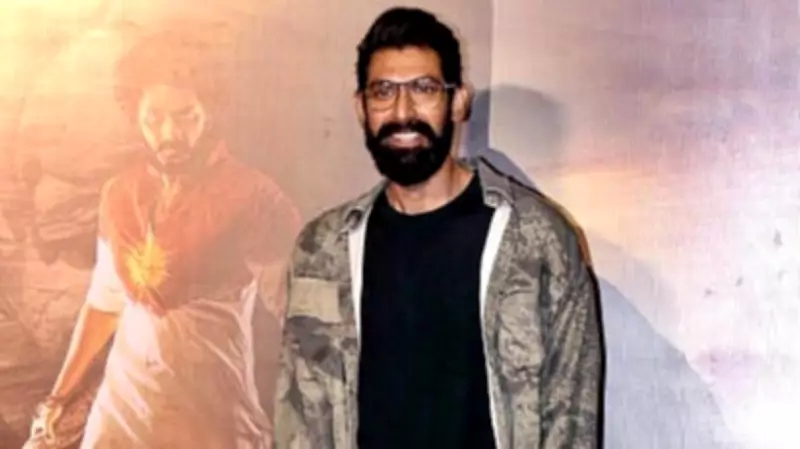
Key Insights from Industry LeadersProminent figures, including actor and entrepreneur Rana Daggubati, have echoed this sentiment, noting that creativity is a uniquely human asset that must be nurtured. "In an era dominated by algorithms, our ability to imagine and create becomes our greatest advantage," Daggubati remarked. This perspective is shared by many in the business community, who argue that foundational skills—such as critical thinking, problem-solving, and artistic expression—are indispensable for adapting to rapid technological shifts.

Educational Reforms for a Creative Future
To prepare students for this evolving landscape, experts advocate for a balanced curriculum that integrates AI literacy with hands-on creative projects. Schools and universities are being urged to move beyond rote learning and foster environments where innovation can flourish. This includes:
- Enhanced Arts and Humanities Programs: Strengthening courses in visual arts, writing, and music to build creative muscle.
- Interdisciplinary Learning: Combining STEM subjects with creative disciplines to encourage holistic problem-solving.
- Real-World Applications: Providing opportunities for students to apply creative skills in tech-driven projects, such as AI-assisted design or digital storytelling.
By emphasizing these areas, educators aim to equip the next generation with the tools to not only use AI but to guide its development in ways that enhance human potential. As one expert put it, "The goal is to create a workforce where AI handles the repetitive, allowing humans to focus on the revolutionary."
Looking Ahead to 2026 and Beyond
With the workforce landscape set to undergo significant transformations, the integration of AI and human creativity is seen as a non-negotiable strategy for economic growth and innovation. Business news outlets report that companies are increasingly valuing employees who can blend technical savvy with creative insight, making this skillset a key differentiator in job markets. As we approach 2026, the message is clear: investing in creative education today will shape a more resilient and dynamic workforce tomorrow, ensuring that technology serves humanity rather than supplants it.