AI Energy Consumption Sparks Debate Between Tech Leaders
OpenAI CEO Sam Altman has ignited a significant conversation about the environmental impact of artificial intelligence by drawing a striking parallel between the resources required to train advanced AI models and those needed to raise and educate a human being. Speaking at a recent event in India, Altman presented a thought-provoking perspective on the growing energy demands of AI development.
Altman's Human Development Comparison
Sam Altman argued that while concerns about AI's escalating energy consumption are valid, they should be examined within a broader context. He emphasized that creating an intelligent human being requires approximately twenty years of life, along with all the food, education, and resources consumed during that extensive period. Altman suggested that this human development process represents a substantial investment of energy and resources that should be considered when evaluating AI's environmental footprint.
The OpenAI CEO maintained that the primary focus should be on transitioning to clean and sustainable energy sources rather than attempting to slow down or hinder the progress of artificial intelligence. He believes that technological advancement and environmental responsibility can coexist through strategic energy planning and innovation in renewable power generation.

Vembu's Philosophical Opposition
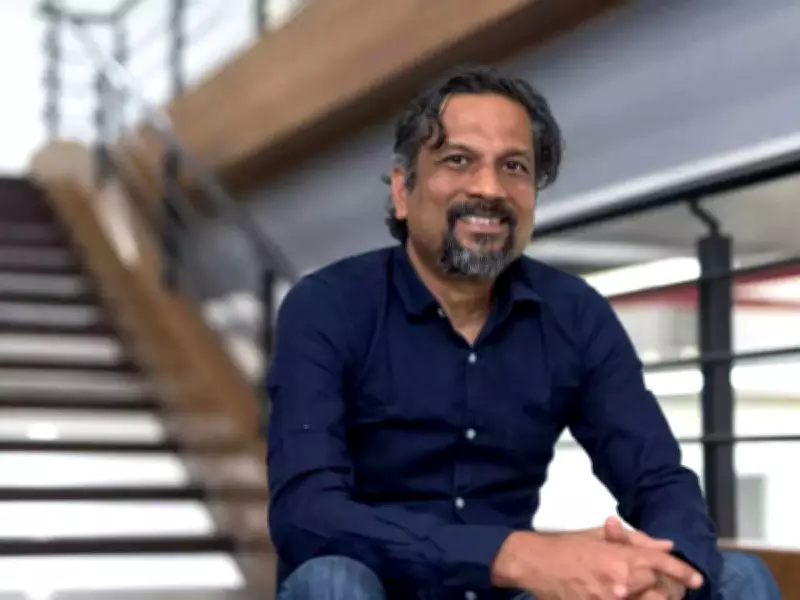
However, Zoho founder Sridhar Vembu has expressed a fundamentally different viewpoint regarding the relationship between technology and humanity. Taking to social media platform X, Vembu shared a post that directly challenged the notion of equating technological systems with human life. "I do not want to see a world where we equate a piece of technology to a human being," Vembu wrote emphatically.
Vembu elaborated on his philosophical position, stating: "I work hard as a technologist to see a world where we don't allow technology to dominate our lives. Instead, it should quietly recede into the background." This perspective represents a cautious approach to technological integration that prioritizes human agency and values over machine capabilities.
Warning Against Technological Dominance
The Zoho founder further emphasized that artificial intelligence should remain strictly as a supportive tool rather than evolving into a dominant force within society. Vembu issued a clear caution against allowing machines to be placed on the same ethical or operational level as human beings. He stressed that technology must serve humanity rather than overshadow or replace human decision-making and relationships.
Vembu's remarks reflect growing unease among technology leaders and ethicists about the cultural and ethical implications of AI's rapid expansion. His concerns touch upon fundamental questions about human dignity, autonomy, and the appropriate role of intelligent systems in our daily lives and social structures.
Historical Comparison to Colonial Powers
In a separate but related development, Sridhar Vembu recently drew a provocative historical comparison between today's large technology corporations and the East India Company. In another post on X, Vembu wrote: "Big tech is bigger than most sovereign nations. 'East India Company' is the way to think about them."
While Vembu did not name specific companies in his post, he was responding to information about Google's remarkable financial activities. The post noted that Google raised thirty-two billion dollars in debt within a single day—an amount comparable to what a large country like India raises over several months. Additionally, Google issued a rare one-hundred-year bond, a time horizon that exceeds even the longest government bonds issued by many nations.
The original X post stated: "Google raised $32B of debt in 1 day, what a sovereign government like India raises in 100 days. Google also issued a 100-year bond worth $1B, which is longer than India's longest at 40 years. Big tech now operates like sovereign nations with fundraising size and time horizons."

This financial maneuver refers to Google's recent sale of a century bond in British pounds as part of a massive multi-currency debt raise. This transaction made Google the first technology company to attempt such a long-term bond since IBM accomplished a similar feat back in 1996.
Diverging Visions for Technology's Future
The contrasting perspectives between Sam Altman and Sridhar Vembu highlight a fundamental debate within the technology sector about the appropriate trajectory for artificial intelligence development. Altman's position emphasizes practical solutions to environmental concerns while maintaining technological progress, whereas Vembu's viewpoint raises deeper philosophical questions about technology's role in human society.
This debate extends beyond mere technical considerations to encompass:
- The ethical boundaries of artificial intelligence development
- The appropriate relationship between technology corporations and sovereign nations
- The environmental sustainability of advanced computing systems
- The preservation of human values in an increasingly automated world
As artificial intelligence continues to advance at an unprecedented pace, these discussions between prominent technology leaders will likely shape both public policy and corporate strategy regarding AI development, deployment, and regulation. The energy debate represents just one facet of a much broader conversation about how humanity will coexist with increasingly sophisticated artificial intelligence systems in the coming decades.