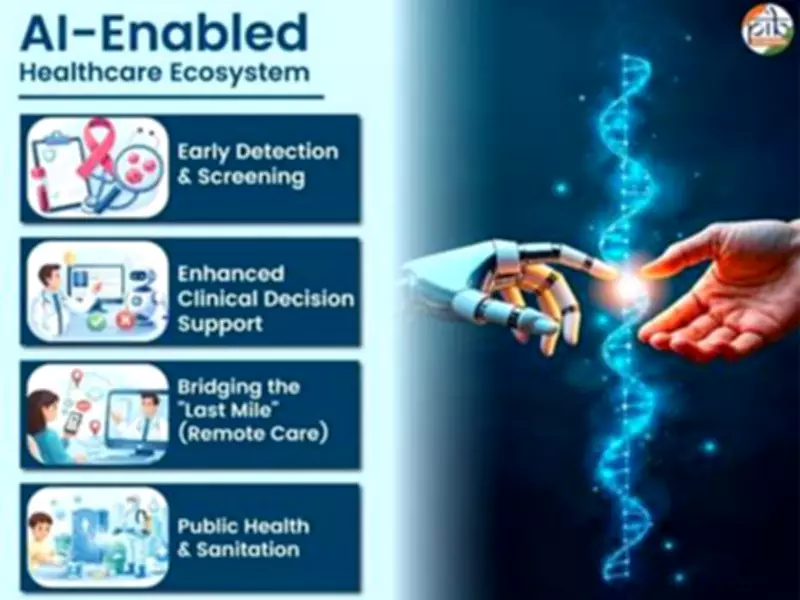
Artificial Intelligence Ushers in a New Era for Global Healthcare Systems
The integration of artificial intelligence into healthcare systems worldwide is driving a profound transformation in how medical services are delivered, managed, and optimized. This technological shift is not merely incremental but represents a fundamental reimagining of patient care, diagnostic accuracy, and operational efficiency across the globe.
Predictive Analytics and Early Disease Detection
One of the most significant impacts of AI in healthcare lies in its ability to analyze vast datasets to predict health outcomes and detect diseases at their earliest stages. Machine learning algorithms can process medical images, genetic information, and electronic health records to identify patterns that might elude human observation. For instance, AI-powered tools are now capable of diagnosing conditions such as cancer, diabetic retinopathy, and cardiovascular diseases with a high degree of precision, often before symptoms manifest. This predictive capability enables proactive interventions, potentially saving lives and reducing long-term healthcare costs by addressing issues before they escalate into more serious problems.
Streamlining Administrative Processes and Reducing Burden
Beyond clinical applications, AI is revolutionizing the administrative side of healthcare by automating routine tasks that traditionally consume significant time and resources. Natural language processing algorithms can transcribe medical notes, schedule appointments, and manage billing processes with minimal human intervention. This automation not only reduces the administrative burden on healthcare professionals but also minimizes errors associated with manual data entry. By freeing up staff to focus more on patient care rather than paperwork, AI contributes to a more efficient and patient-centered healthcare environment. Additionally, AI-driven systems can optimize hospital workflows, such as bed allocation and supply chain management, ensuring that resources are utilized effectively to meet patient needs.

AI is paving the way for personalized medicine by tailoring treatments to individual patients based on their unique genetic makeup, lifestyle factors, and medical history. Through advanced data analytics, AI can recommend customized treatment plans that are more likely to be effective for specific patients, moving away from the one-size-fits-all approach. This personalization extends to drug discovery, where AI accelerates the identification of new therapeutic compounds by simulating molecular interactions and predicting efficacy. As a result, patients benefit from more targeted therapies that improve recovery rates and reduce adverse effects, ultimately leading to better health outcomes and higher satisfaction with care.
Challenges and Ethical Considerations in AI Adoption
Despite its transformative potential, the widespread adoption of AI in healthcare is not without challenges. Key concerns include data privacy and security, as sensitive patient information must be protected from breaches and misuse. There is also the risk of algorithmic bias, where AI systems may perpetuate existing disparities in healthcare if trained on unrepresentative datasets. Ensuring transparency and accountability in AI decision-making processes is crucial to maintaining trust among patients and practitioners. Moreover, the high costs of implementing AI technologies can be a barrier, particularly in low-resource settings, potentially exacerbating global health inequalities. Addressing these issues requires robust regulatory frameworks, ongoing research, and collaborative efforts to ensure that AI benefits all segments of society equitably.

Looking ahead, the role of AI in healthcare is poised to expand further, with innovations such as remote monitoring devices, virtual health assistants, and real-time epidemic tracking systems on the horizon. These advancements promise to make healthcare more accessible, especially in underserved regions, by bridging gaps in infrastructure and expertise. As countries worldwide invest in AI-driven healthcare initiatives, the potential for improved public health outcomes on a global scale becomes increasingly tangible. However, success will depend on fostering interdisciplinary collaboration among technologists, healthcare providers, and policymakers to navigate the complexities of this evolving landscape.
In summary, artificial intelligence is not just a tool but a catalyst for a comprehensive overhaul of healthcare delivery. By enhancing diagnostics, streamlining operations, and personalizing treatments, AI holds the promise of a healthier, more efficient future for populations around the world, provided that ethical and practical challenges are thoughtfully addressed.