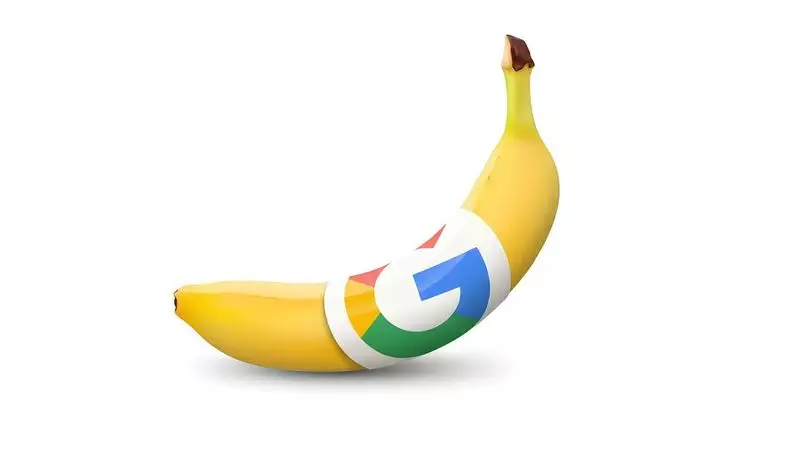
The digital art world is currently captivated and divided by a peculiar, tiny phenomenon: the 'nano banana.' This viral trend, born from the whimsical prompts of users on AI image generation platforms, has become a fascinating case study in the power and pitfalls of artificial intelligence in creative spaces. What began as a playful exploration of scale and absurdity has morphed into a complex discussion about authenticity, artistic value, and the very nature of creativity in the age of algorithms.
The Rise of the Microscopic Fruit: How AI Birthed a Trend
The core of the 'nano banana' trend is deceptively simple. Users input descriptive prompts into AI art generators like Midjourney, DALL-E, or Stable Diffusion, asking for hyper-realistic images of an impossibly small banana. The results are often stunningly detailed, photorealistic renderings of a miniature banana, sometimes placed on a fingertip, a coin, or amidst everyday objects to emphasize its Lilliputian scale. The trend quickly gained momentum on social media platforms, with artists and enthusiasts sharing their own AI-crafted nano bananas, each iteration striving for greater detail and more creative contexts.
This explosion of AI-generated content highlights the democratization of visual creation. Tools that were once the domain of skilled digital artists or photographers are now accessible to anyone with an idea and an internet connection. The nano banana serves as a perfect, shareable example of this new capability—a concept that is easy to understand, visually engaging, and ripe for communal participation and one-upmanship.

The Allure and the Illusion: When AI Art Masquerades as Reality
However, the very realism that makes the nano banana trend so compelling is also its greatest point of contention. The photorealistic quality of these images blurs the line between digital fabrication and documentary photography. When shared without clear disclosure of their AI origins, these images can easily mislead viewers into believing they are looking at a genuine, physically manipulated photograph of a microscopic banana.
This leads to a significant ethical dilemma: the potential for widespread misinformation. In an era already struggling with deepfakes and digitally altered media, AI art adds another layer of complexity. The nano banana, while harmless in intent, demonstrates how easily synthetic imagery can be presented as fact. Experts warn that this technology, in less benign hands, could be used to create convincing fake news imagery, counterfeit product photos, or fabricated evidence, eroding public trust in visual media.
Beyond the Hype: Questioning Creativity and Artistic Merit
The trend also forces a critical examination of what constitutes art and creativity. Is the person crafting the prompt—"a hyper-realistic nano banana on a circuit board, macro photography, 8K"—the artist? Or is the artist the complex AI model trained on millions of existing images? The debate rages between those who see prompt engineering as a new, legitimate art form and traditionalists who argue it lacks the human touch, intentionality, and technical skill of conventional art-making.
Furthermore, the nano banana phenomenon raises concerns about the homogenization of aesthetics. Since AI models learn from existing datasets, there is a risk that popular trends like this one could lead to a flood of similar-looking content, stifling truly unique and divergent artistic visions. The output, no matter how detailed, is ultimately a recombination of patterns the AI has already seen, potentially leading to a creative echo chamber.
The legal and copyright landscape remains murky as well. Who owns the image of a nano banana generated by AI? The user who typed the prompt? The platform hosting the model? Or is it an entity without clear intellectual property protection? These are questions that lawmakers, artists, and tech companies are only beginning to grapple with.

In conclusion, the nano banana is far more than a passing internet meme. It is a potent symbol of a transformative moment in visual culture. It showcases the incredible, accessible power of AI-generated art to inspire wonder and communal play. Yet, it simultaneously acts as a stark warning about the ease of deception, the challenges to defining creativity, and the urgent need for ethical frameworks and digital literacy. As this technology evolves, navigating its double-edged nature—celebrating its potential while mitigating its risks—will be one of the defining cultural tasks of our digital age.