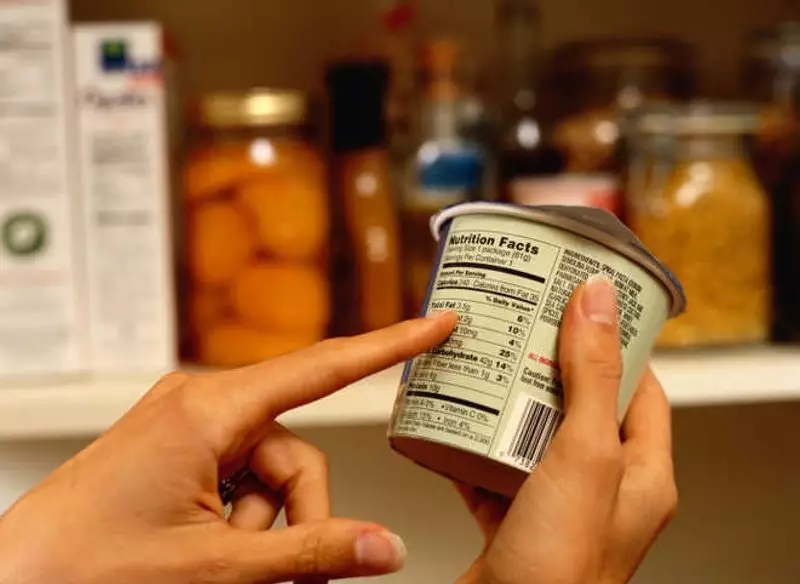
In a country where food choices are as diverse as its culture, the information on a product's packaging is a critical guide for consumers. However, misleading claims like "sugar-free," "natural," or "fortified" have become a pervasive issue, often leaving shoppers confused about what they are actually buying. The Food Safety and Standards Authority of India (FSSAI) is now exploring a modern ally in this fight: Artificial Intelligence (AI).
The Challenge of Deceptive Food Packaging
Recent actions by the FSSAI highlight the scale of the problem. The regulator has issued warnings and directives to several major companies. For instance, Fabindia was instructed to stop using the term 'natural' on its organic sugar packaging, while Hindustan Unilever faced scrutiny for claims about its Kissan jam. Similarly, Dabur and MDH have been under the lens for assertions related to their honey and spice products, respectively.
The core issue lies in the gap between marketing language and scientific substantiation. A product labeled "zero trans fat" might still contain unhealthy saturated fats. A "fruit drink" may contain only a minuscule percentage of actual fruit juice. Navigating this requires consumers to become expert label decoders, a task that is often impractical amidst a busy shopping trip.

How Can Artificial Intelligence Intervene?
This is where AI-powered tools promise a revolution. Imagine a system that can instantly scan and analyze the text and imagery on thousands of food packages. AI algorithms can be trained to detect buzzwords, health claims, and nutritional information, cross-referencing them against a database of FSSAI regulations.
For example, an AI model could flag a product claiming "boosted immunity" if it lacks the specific scientific evidence or approvals required for such a statement. It could also identify discrepancies, such as a "sugar-free" claim on a product that lists high levels of other sweeteners like fructose or honey. This technology could act as a force multiplier for regulators, helping them prioritize inspections and enforcement actions more efficiently.
The Human Element and Regulatory Hurdles
Despite its potential, experts caution that AI is a tool, not a silver bullet. Ashwin Bhadri, CEO of Equinox Labs, emphasizes that AI lacks the nuanced understanding of context that human intelligence possesses. A claim might be technically permissible under one specific condition, which an AI might misinterpret without proper, intricate programming.
The effectiveness of any AI system is also entirely dependent on the robustness of the regulatory framework it is designed to enforce. India's food labeling regulations are still evolving and can sometimes be ambiguous. Before AI can reliably police labels, the rules themselves need to be crystal clear, leaving little room for subjective interpretation by either machines or marketers.
The Road Ahead for Consumer Protection
The integration of AI into food safety regulation represents a forward-thinking approach. It signals a move from reactive, complaint-based enforcement to a more proactive, surveillance-based model. For consumers, the successful implementation of such technology could mean greater transparency and trust in the products they purchase.
However, the journey is complex. It requires collaboration between technologists, food scientists, legal experts, and regulators to build effective systems. The ultimate goal is to create an ecosystem where food labels are accurate, transparent, and genuinely informative, empowering Indians to make healthier choices without needing a magnifying glass and a law degree to understand their food.