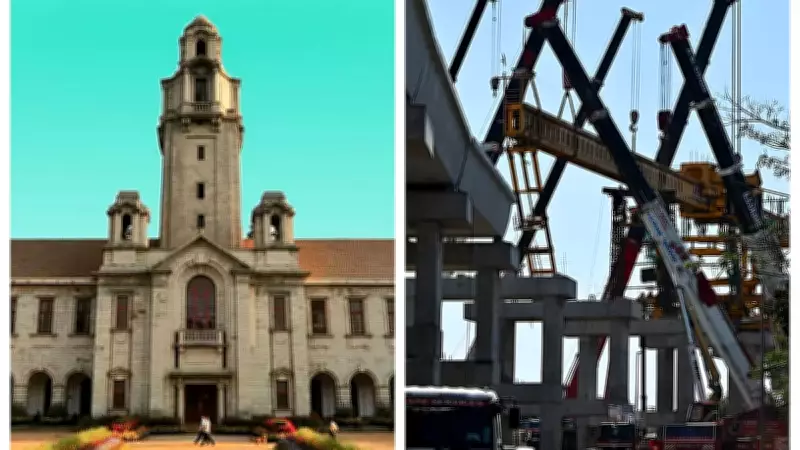
A recent study conducted by the Indian Institute of Science (IISc) has proposed that solar energy could be a viable and sustainable power source for the Namma Metro Blue Line in Bengaluru. According to the findings, the installation of solar panels on station rooftops, depot rooftops, station canopies, and viaduct structures could generate sufficient electricity to completely offset the Blue Line's yearly energy demand.
Key Findings of the Study
The research highlights the immense potential of utilizing existing infrastructure for solar power generation. By covering available surfaces such as station roofs, depot buildings, canopy tops, and viaduct spans, the metro system could harness solar energy efficiently. The study estimates that the total electricity generated would be enough to cover the annual energy consumption of the Blue Line, making it a self-sustaining operation in terms of power requirements.
Benefits of Solar Integration
- Energy Independence: Reducing reliance on conventional grid electricity, which is often generated from fossil fuels.
- Cost Savings: Lower operational costs over time as solar energy is free after the initial investment.
- Environmental Impact: Significant reduction in carbon emissions, contributing to Bengaluru's sustainability goals.
- Utilization of Unused Space: Making productive use of otherwise idle surfaces like rooftops and viaducts.
Implementation Challenges
While the study is optimistic, it also acknowledges challenges such as the initial capital investment required for solar panel installation, maintenance of panels in a dusty urban environment, and the need for efficient energy storage systems to manage supply during non-sunny hours. However, with declining costs of solar technology and supportive government policies, these hurdles are not insurmountable.

Next Steps for BMRCL
The Bangalore Metro Rail Corporation Limited (BMRCL) has been exploring renewable energy options for its expanding network. This IISc study provides a data-driven roadmap for integrating solar power into the Blue Line project. The next phase would involve detailed feasibility assessments, pilot projects, and partnerships with solar energy firms. If implemented, the Blue Line could become a model for sustainable urban transit in India.
The study comes at a time when cities worldwide are seeking green solutions for public transportation. Bengaluru, known for its tech innovation, could lead the way in metro solarization. The IISc research underscores that with strategic planning, solar energy can play a pivotal role in powering the city's metro network, reducing both costs and environmental footprint.