India's Critical Crossroads: Shaping Ideas to Secure the Future
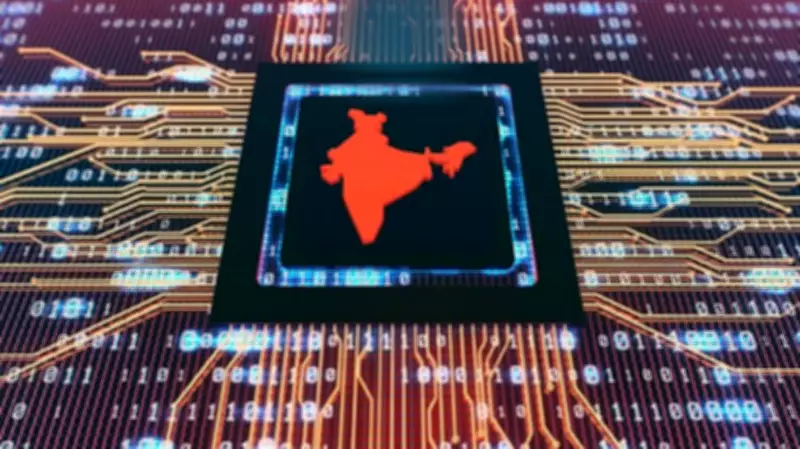
In an era where technological advancements are rapidly transforming societies, the ability to shape ideas has become a paramount determinant of global influence and future prosperity. For India, this presents both an immense opportunity and a pressing challenge. The nation stands at a critical juncture where its trajectory in the coming decades will be heavily influenced by its capacity to foster and lead in intellectual and technological domains.
The Imperative of Long-Term Funding for Social Inquiry
A fundamental pillar in this endeavor is the sustained and robust funding for social inquiry. Social inquiry encompasses the systematic study of societal structures, human behavior, cultural dynamics, and the ethical implications of technological progress. Without adequate long-term investment in this area, India risks ceding control over its own technological story to external forces and narratives.
The current landscape reveals a concerning gap. While India has made significant strides in fields like information technology and engineering, the integration of deep social sciences and humanities into technological development remains underfunded and fragmented. This disconnect can lead to technologies that are not aligned with India's unique social fabric, cultural values, and developmental needs.

Consequences of Neglecting Social Sciences
The potential consequences of this neglect are far-reaching and multifaceted:
- Loss of Narrative Control: Without indigenous research and insights, India may become a passive consumer of technologies designed elsewhere, lacking the autonomy to shape their application and governance.
- Ethical and Social Missteps: Technologies like artificial intelligence, if developed without thorough social inquiry, could inadvertently exacerbate inequalities, infringe on privacy, or clash with local norms, leading to public backlash and inefficacy.
- Diminished Global Influence: Countries that invest heavily in social inquiry often set global standards, policies, and ethical frameworks. India's absence from these conversations could marginalize its voice on the world stage.
- Economic Disadvantage: Innovation driven by social understanding can unlock new markets and solutions tailored to India's context, boosting economic growth and competitiveness.
A Call to Action for India's Leadership
To step up and secure its future, India must prioritize and institutionalize long-term funding mechanisms for social inquiry. This involves:
- Increasing government and private sector investment in research institutions focused on social sciences and humanities.
- Fostering interdisciplinary collaborations between technologists, sociologists, economists, and ethicists.
- Developing policies that incentivize research into the societal impacts of emerging technologies.
- Building educational programs that integrate social inquiry into STEM fields, creating a holistic approach to innovation.
By doing so, India can not only retain control over its technological narrative but also emerge as a global leader in shaping ideas that drive inclusive and sustainable progress. The time to act is now, as the future belongs to those who can master the art of blending technology with deep societal insight.