OpenAI and Anthropic Refuse to Collaborate at India AI Summit
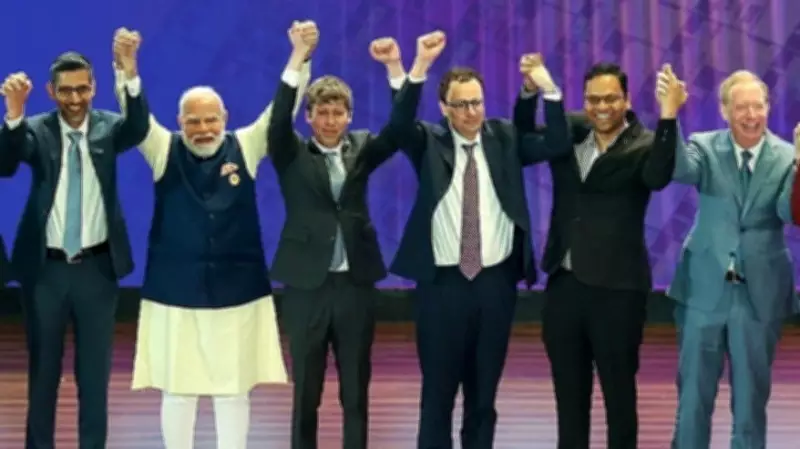
In a notable development at the recent India AI Summit, two of the world's foremost artificial intelligence companies, OpenAI and Anthropic, declined to sign a joint agreement aimed at fostering cooperation. This decision underscores the intense competitive dynamics shaping the global AI industry, as these rivals opt to maintain their independent paths rather than engage in collaborative efforts.
Details of the Summit and the Proposed Agreement
The India AI Summit, a key event focused on advancing artificial intelligence technologies and policies, featured discussions on ethical AI development, innovation, and international partnerships. Organizers proposed a joint agreement that would encourage signatories to share best practices, promote transparency, and work together on AI safety initiatives. However, both OpenAI and Anthropic, despite their participation in the summit, chose not to endorse this collaborative framework.
This refusal highlights the strategic priorities of these companies, which are increasingly focused on proprietary advancements and market leadership. OpenAI, known for its ChatGPT and other generative AI models, and Anthropic, with its Claude AI assistant, are at the forefront of the AI race, driving rapid technological progress while navigating complex regulatory and ethical landscapes.

Implications for the AI Industry and Global Competition
The decision by OpenAI and Anthropic to avoid formal collaboration at the India AI Summit reflects broader trends in the AI sector, where competition often outweighs cooperation. This rivalry is fueled by the high stakes involved in AI development, including intellectual property rights, data privacy concerns, and the race to achieve artificial general intelligence (AGI).
Industry analysts suggest that such moves could impact global AI governance efforts, as fragmented approaches may hinder the establishment of unified standards and safety protocols. The India AI Summit aimed to bridge gaps between nations and companies, but the reluctance of key players like OpenAI and Anthropic signals potential challenges in achieving consensus on critical issues.
- OpenAI and Anthropic are both leaders in generative AI and AI safety research.
- The India AI Summit focused on promoting ethical AI and international cooperation.
- Their refusal to collaborate may influence future AI policy discussions and industry dynamics.
Looking Ahead: The Future of AI Rivalries and Cooperation
As the AI landscape continues to evolve, the tension between competition and collaboration will likely persist. While events like the India AI Summit provide platforms for dialogue, the actions of major firms like OpenAI and Anthropic indicate a preference for independent innovation. This could lead to accelerated advancements in AI technologies but also raise concerns about fragmented regulatory frameworks and ethical oversight.
In conclusion, the refusal of OpenAI and Anthropic to hold hands at the India AI Summit serves as a reminder of the competitive fervor driving the AI industry. As these companies push the boundaries of what AI can achieve, their strategic choices will shape not only their own futures but also the global trajectory of artificial intelligence development.