A multidisciplinary team of researchers at the Post Graduate Institute of Medical Education and Research (PGIMER) in Chandigarh has developed an artificial intelligence (AI)-based model that accurately detects gallbladder cancer using routine ultrasound images. Led by Dr Pankaj Gupta from the department of radiodiagnosis and imaging, the pioneering study has been published in “The Lancet Regional Health – Southeast Asia”, offering a major breakthrough for early-stage diagnostics.
Significance for North India
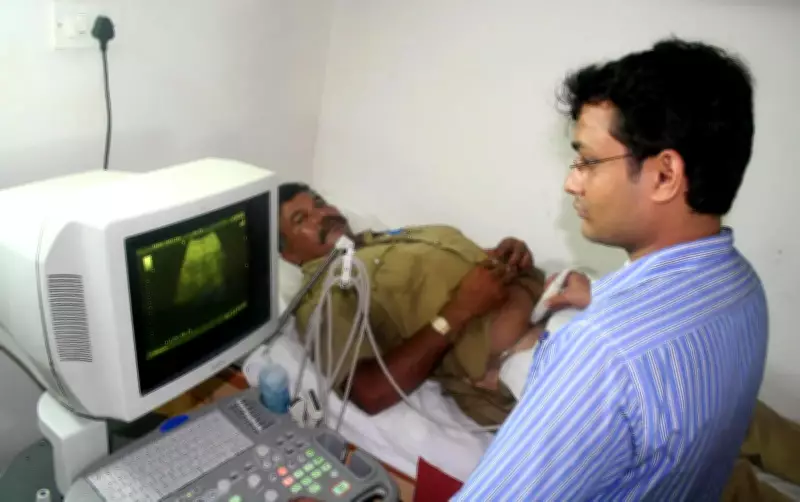
Gallbladder cancer is a major public health menace in north India, especially among women, with common gallstones serving as a primary risk factor. While affordable and radiation-free ultrasound machines are widely available in rural areas, smaller peripheral health centers usually lack the specialised expertise required to spot subtle, early malignant signs. Consequently, most cases are caught at advanced stages when treatment options become severely limited.
How the AI Model Works
To solve this, the PGIMER team built a specialised model that mirrors real-life clinical practice. Unlike standard AI tools that evaluate solitary images, this new model analyses multiple ultrasound scans from the same patient simultaneously to deliver a single “cancer” or “non-cancer” diagnosis, complete with a mathematical probability score. Crucially, the system highlights the exact visual regions that influenced its decision, allowing local doctors to verify the findings.

Validation and Accessibility
The model’s diagnostic accuracy was successfully verified using patient data collected from four major hospitals across north India. To ensure a widespread medical impact, team computer scientist Kartik Bose developed a user-friendly, free-access computer application under Dr Gupta’s guidance, making the technology instantly available to researchers and frontline clinicians nationwide. The PGIMER team now plans to validate the model through prospective clinical trials and integrate the software directly into routine hospital ultrasound workflows.