

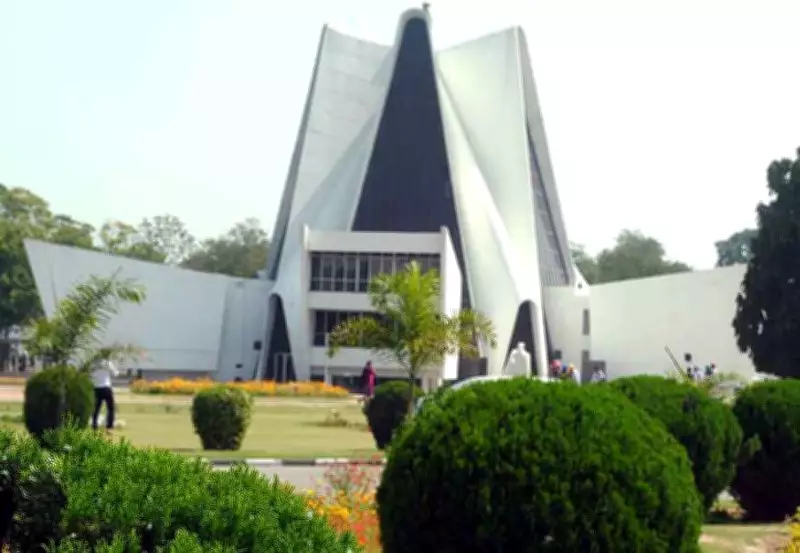
Punjabi University in Patiala has made a significant breakthrough by developing an artificial intelligence (AI)-based technology specifically designed to aid visually impaired individuals. This innovative system leverages computer vision and voice commands to help users read text and navigate their surroundings independently.
How the Technology Works
The AI system is integrated into a wearable device or smartphone application. It uses the device's camera to capture images of the environment or printed text. The AI then processes these images using optical character recognition (OCR) and object detection algorithms. The information is conveyed to the user through audio feedback, allowing them to understand the content or navigate obstacles.
Key Features
- Text-to-Speech: The system can read books, signs, or any printed material aloud.
- Object Recognition: It identifies objects, people, and obstacles, providing real-time navigation assistance.
- Voice Commands: Users can interact with the device using simple voice commands for a hands-free experience.
- Offline Capability: The AI models are optimized to work without an internet connection, ensuring reliability in various environments.
Impact on the Visually Impaired Community
This technology aims to empower visually impaired individuals by enhancing their independence and quality of life. It reduces their reliance on others for reading and navigation, fostering greater self-confidence and inclusion in daily activities. The university plans to conduct field trials and collaborate with NGOs to distribute the technology at an affordable cost.

Future Developments
The research team is working on improving the accuracy of the AI models and expanding the language support. They also intend to integrate the system with smart home devices and public infrastructure to create a seamless assistive ecosystem. The project is part of the university's commitment to socially relevant research and innovation.






