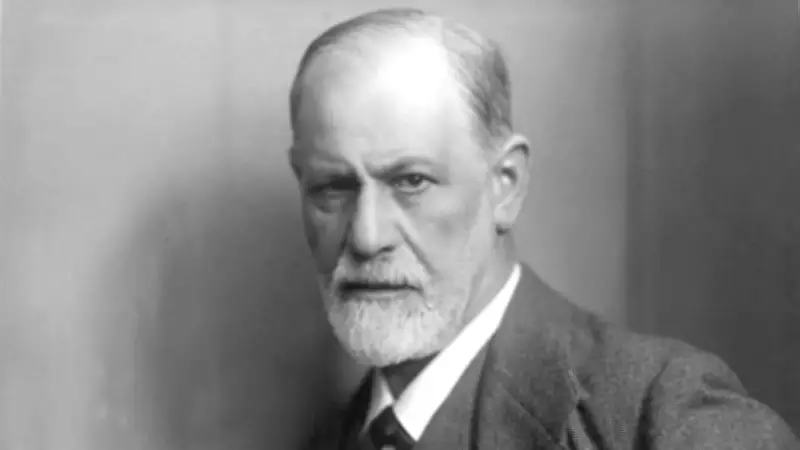
Many people consider freedom one of the greatest aspects of human existence. Across cultures and societies, individuals have fought, debated, and even sacrificed their lives to attain it. However, the concept of freedom is not as straightforward as it appears. It extends beyond the ability to make choices; it also involves the readiness to face the consequences of those choices. The quote of the day by Sigmund Freud, 'People do not really want freedom, because freedom involves responsibility and most people are frightened of responsibility,' offers a perspective that challenges common beliefs. It suggests that while freedom may appear appealing, the accompanying responsibilities can make individuals uneasy.
Sigmund Freud, renowned for his work on the human psyche, frequently explored how unspoken fears and internal conflicts influence behavior. This quote aligns with his psychological framework, which posits that people do not always act rationally; instead, their actions are shaped by deeper emotional and psychological factors.
Quote of the Day by Sigmund Freud
'People do not really want freedom, because freedom involves responsibility and most people are frightened of responsibility.'

What the Quote Means in Simple Terms
The quote emphasizes that freedom is more than having options. It also entails being accountable for the outcomes of those choices. Freud argued that many individuals might hesitate to fully embrace freedom because it requires them to take responsibility for their decisions. Essentially, responsibility can be challenging. When people have the freedom to choose, they cannot easily blame others if things go wrong. This pressure can be uncomfortable for some.
The Connection Between Freedom and Responsibility
Freedom and responsibility are deeply intertwined. When a person is free to act, they are also responsible for the results. Making decisions in personal or professional life often involves uncertainty. The outcome may not always be favorable. In such situations, responsibility means accepting both success and failure. This link is central to the quote and explains why freedom can be difficult to handle.
Why Responsibility Can Feel Difficult
Being responsible often requires careful thought, planning, and accountability. It involves making choices without knowing the exact outcome. This can induce fear or uncertainty. Freud's theories suggest that both conscious and unconscious factors influence behavior. Taking responsibility can be particularly challenging when individuals fear failure, judgment from others, or the unknown. Some people may prefer situations where others make or control decisions.
Psychological Perspective Behind the Quote
Freud's research focused on understanding the complexities of the human mind. He believed that hidden fears and desires often affect behavior. This quote reflects that viewpoint by suggesting that the fear of freedom may not always be obvious. It could stem from deeper psychological issues, such as a fear of making mistakes or dealing with consequences. The quote demonstrates that human choices are not always as simple as they seem.
Freedom in Everyday Life
Freedom manifests in many aspects of daily life, including decisions about work, education, relationships, and personal habits. In each of these areas, people must make choices, and every choice carries responsibility. For example, selecting a career path involves committing to certain tasks and accepting the outcomes. The quote helps explain why decision-making can be challenging even when options are available.
Responsibility and Decision-Making
Making decisions is a key part of being responsible. When people have freedom, they must weigh options and consider potential consequences. This process requires effort and attention. It also means accepting that not every choice will lead to the desired result. Responsibility is not just about taking action; it is also about understanding and accepting uncertainty.

Social and Cultural Relevance
Social and cultural systems also illustrate the connection between freedom and responsibility. To maintain order, societies often balance individual freedom with rules and obligations. Laws and regulations provide a framework within which freedom can be exercised, ensuring that choices do not harm others. The quote fits into this larger context by highlighting the importance of responsibility for societal balance.
How the Quote Applies Across Different Situations
The quote can be applied in various contexts. In professional settings, individuals are often granted both authority and responsibility. In personal life, the freedom to make choices entails accountability. In both cases, the ability to shoulder responsibility is crucial. The quote suggests that the challenge is not having freedom but managing what comes with it.
Famous Quotes by Sigmund Freud
- 'The mind is like an iceberg, it floats with one-seventh of its bulk above water.'
- 'Being entirely honest with oneself is a good exercise.'
- 'Unexpressed emotions will never die. They are buried alive and will come forth later in uglier ways.'
- 'Words have a magical power. They can either bring the greatest happiness or the deepest despair.'
- 'Dreams are often most profound when they seem the most crazy.'
A Closer Look at Human Behavior
The quote encourages deeper reflection on how people respond to freedom. It implies that behavior is not solely driven by surface-level desires. Instead, decisions can be influenced by deeper factors such as fear, uncertainty, and emotional comfort. This understanding aligns with Freud's contributions to psychology, where internal processes significantly shape behavior.
The Balance Between Choice and Accountability
Having freedom without responsibility can lead to confusion or chaos, while responsibility without freedom can feel oppressive. The quote underscores that both elements are essential. By understanding this balance, individuals can make better decisions. It also explains why freedom and responsibility are often discussed together in philosophy and psychology.
Sigmund Freud's Quote Explains the Link Between Freedom and Responsibility
Sigmund Freud's quote offers a clear and thoughtful perspective on the relationship between freedom and responsibility. It states that although many people value freedom, the accompanying responsibility can cause hesitation. The quote connects human behavior to psychological factors, helping us understand why people might act differently when faced with choices and accountability. Its message remains relevant across many areas of life, from personal decisions to broader social systems.
About the Author
The TOI Science Desk is an inquisitive team of journalists dedicated to exploring the realms of discovery. They curate a captivating collection of news, features, and articles from the vast world of science for readers of The Times of India. Acting as a scientific companion, they deliver daily doses of wonder and enlightenment on topics ranging from genetic engineering and space exploration to artificial intelligence. The TOI Science Desk is committed to demystifying science, making it accessible and engaging for all backgrounds.