LinkedIn Report: Skills Trump Job Titles in the AI-Driven Hiring Revolution
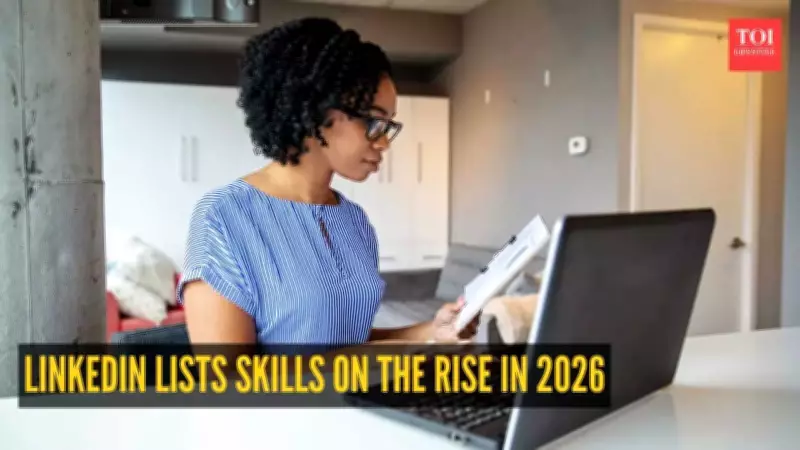
In recent years, the rapid advancement of artificial intelligence has fundamentally transformed the workplace, and now it is reshaping hiring practices on an unprecedented scale. According to LinkedIn's Skills on the Rise 2026 report, job titles are losing their significance, with employers increasingly focusing on what candidates can actually do. In an interview about the findings, LinkedIn Editor-in-Chief Daniel Roth emphasized that the shift towards skills-based hiring is accelerating, confirming what many professionals have long suspected: the traditional rules of employment are becoming obsolete.
Hiring Moves Beyond Job Titles
LinkedIn's insights are derived from extensive data analysis, leveraging over a billion user profiles to identify key trends. The company examined two critical patterns:
- The skills users are actively adding to their profiles
- The skills possessed by professionals who successfully secured jobs in the past year
This dual dataset reveals what people are learning versus what companies are hiring for, and the overlap is highly informative. Roth highlighted that skills have become the new currency in the job market. Whether it is a fast-growing startup or a multinational corporation navigating disruption, employers are prioritizing capability over past designations. A job title merely reflects where someone has been, but a skill indicates what they can achieve next. In an era of rapid industry evolution, this distinction is more crucial than ever, as skills are portable and can be applied across roles, sectors, and entirely new career paths, enabling adaptable professionals to not only survive but thrive.

AI Skills Lead the List — But That’s Not the Whole Story
Unsurprisingly, artificial intelligence dominates LinkedIn's 2026 skills list across various fields. Two major categories of AI-related skills are emerging:
- Technical AI skills: These include competencies required to build, train, or implement AI systems. Prompt engineering is currently one of the most discussed skills, while data annotation is also gaining traction. While some roles demand deeper technical knowledge, many do not require advanced mathematics or STEM backgrounds.
- Strategic AI application skills: Companies are seeking professionals who can effectively integrate AI tools into team workflows to enhance productivity and streamline daily operations.
Roth described this as the "early days" of AI adoption, meaning opportunities are broad and accessible. Now is an ideal time for professionals to learn and develop these skills, as the technology continues to mature.
Human Skills Are Becoming Even More Valuable
Contrary to fears that AI might diminish human relevance, the report indicates that human skills are growing in importance. As businesses undergo rapid transformation, they need professionals who can guide teams through change. Leadership and people management remain essential, with a renewed emphasis on mentorship and talent development. Organizations value individuals who can foster growth and unlock potential in others.
Communication skills are also experiencing a resurgence. LinkedIn has observed a significant increase in job postings specifically requesting storytelling abilities. Employers are prioritizing candidates who can:
- Speak confidently in meetings
- Write clear and persuasive emails
- Draft cross-functional memos
- Translate complex ideas into simple language
These foundational skills are becoming key differentiators in an AI-driven world, where clarity, empathy, and collaboration offer powerful advantages.
Skills Are Not Fixed — They Can Be Built
One of the most encouraging takeaways from the report is that skills are not permanent labels; they can be developed, refined, and expanded at any career stage. For professionals uncertain about their strengths, Roth suggests a simple approach: ask colleagues, friends, mentors, or volunteer groups to identify patterns in your capabilities. When multiple people highlight the same skill, it is likely a core strength.

Learning opportunities are more accessible than ever, but learning alone is insufficient. Practical application through volunteering, stretch assignments, leading initiatives, or joining community groups is essential to sharpen both technical and interpersonal skills. This real-world experience transforms knowledge into tangible abilities.
Tell Engaging Stories
A subtle yet powerful shift is occurring in how professionals should present themselves. Merely listing skills on a resume, like a grocery list, is no longer effective. Instead, employers seek context and impact. In 2026, demonstrating how skills have been applied to achieve results will make all the difference, enabling candidates to stand out in a competitive job market.