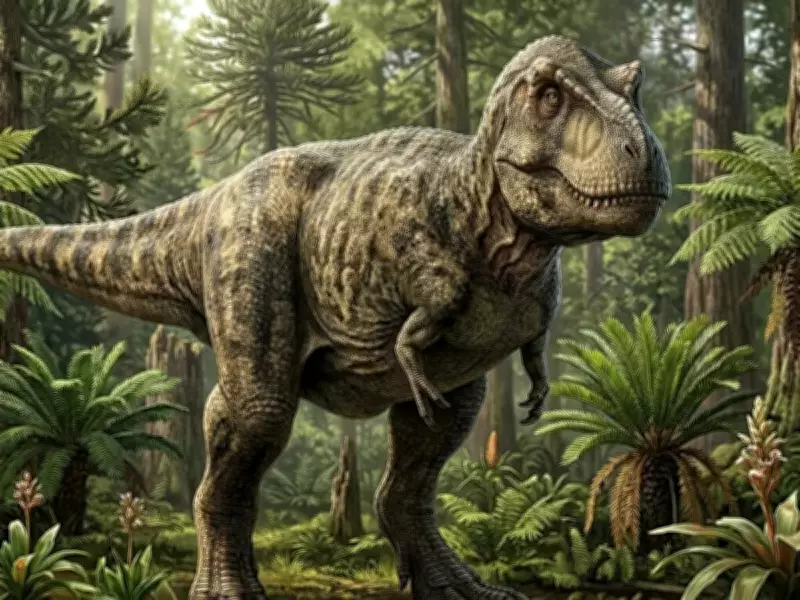
For decades, the image of a snarling Tyrannosaurus rex with teeth bared even when its mouth was shut has been a staple in movies, books, and museum displays. This iconic portrayal, however, may be fundamentally incorrect. Recent evidence published in the journal Science suggests that T. rex and other large theropod dinosaurs actually had lips that covered their teeth, much like many modern reptiles.
The Study and Its Findings
Led by palaeontologist Thomas Cullen, a team of researchers conducted a detailed analysis comparing theropod skull and tooth structures with those of living lizards and crocodiles. The long-held belief that theropods had exposed teeth originated from comparisons with crocodiles, which display visible teeth when their mouths are closed. However, the study highlights critical differences: theropod teeth had thin enamel that would have dried out and become damaged if constantly exposed to air. In contrast, crocodile teeth are adapted for exposure.
According to the study, constant exposure would lead to harmful tooth desiccation and attrition, meaning theropods must have had a protective mechanism. By examining the relationship between skull and tooth size, the researchers found that theropods more closely resembled lizards that use lips to completely cover their teeth. Furthermore, microscopic analysis of fossilized theropod teeth revealed no signs of wear typical of exposed teeth, supporting the idea that they were covered by soft tissue.

Evidence from Modern Reptiles
The study draws parallels with modern reptiles like Komodo dragons, which have scaly lips that protect their teeth and maintain oral health. This suggests that theropods likely possessed similar lip structures. The serrations on theropod teeth also needed protection to remain sharp, further supporting the lip hypothesis.
Implications for Palaeontology
If confirmed, the presence of lips in theropods could revolutionize our understanding of dinosaur anatomy. It would impact theories about diet, moisture regulation, and even biomechanics. For instance, covered teeth could improve force distribution during biting, reducing the risk of damage. The finding also has cultural implications, as iconic depictions of dinosaurs—especially T. rex—may need to be updated.
Paleoartist Mark Witton has already begun creating new illustrations of T. rex with lips, presenting a fresh perspective. While some might think a lipped T. rex looks less terrifying, Cullen and his team argue otherwise. A tooth-protective animal would likely survive longer, potentially making it even more formidable.
Challenges and Future Research
Soft tissues like lips rarely fossilize, making this a challenging area of study. Nevertheless, the research provides compelling evidence that the traditional image of T. rex is due for a revision. Instead of a crocodile-like predator with exposed fangs, scientists now envision a massive reptile with covered teeth, similar to but distinct from modern crocodilians.
This discovery underscores the evolving nature of scientific knowledge, even about well-known creatures like T. rex. As palaeontologists continue to uncover new clues, our understanding of these ancient animals will keep changing, offering fresh insights into the prehistoric world.