Tele-Robotics and AI Poised to Revolutionize Healthcare in India
Union Minister of State for Science and Technology, Dr. Jitendra Singh, has announced a groundbreaking initiative that promises to transform the healthcare landscape in India. Speaking at a recent event, the minister emphasized that the integration of tele-robotics and artificial intelligence (AI) will usher in a new era of medical care, making advanced treatments more accessible and efficient across the country.
Enabling Remote Surgeries and Diagnostics
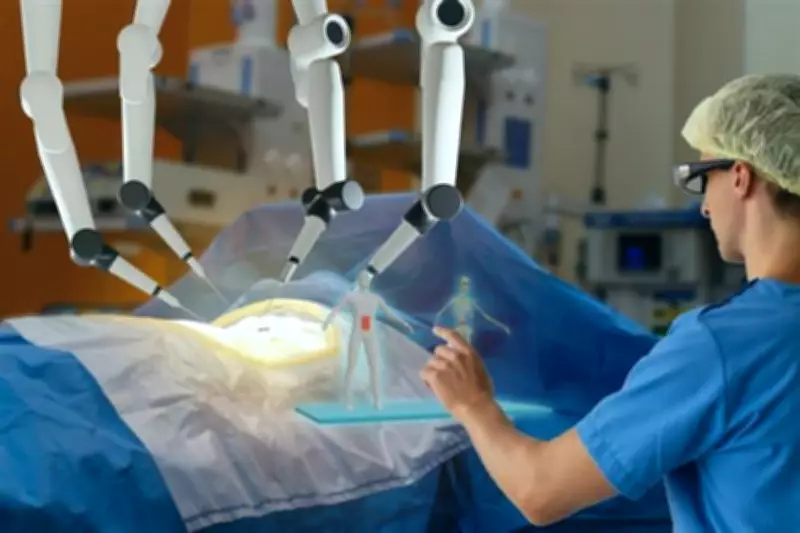
According to Dr. Singh, tele-robotics technology will allow surgeons to perform complex procedures remotely, bridging the gap between urban medical hubs and rural or underserved areas. This innovation means that patients in remote locations can receive high-quality surgical care without the need to travel long distances, potentially saving lives and reducing healthcare disparities.
Artificial intelligence will play a crucial role in enhancing diagnostic accuracy and treatment planning. AI algorithms can analyze medical images, patient data, and genetic information to provide personalized insights, leading to earlier detection of diseases and more effective interventions. This synergy of robotics and AI is expected to improve patient outcomes while optimizing resource utilization in hospitals.

Government Support and Future Prospects
The minister highlighted the government's commitment to fostering innovation in healthcare through policies and funding. Initiatives under the National Health Mission and collaborations with tech startups are being leveraged to accelerate the adoption of these technologies. Dr. Singh noted that this move aligns with India's broader goals of digital transformation and self-reliance in critical sectors.
Looking ahead, the integration of tele-robotics and AI could lead to significant advancements, such as:
- Reduced waiting times for surgeries and consultations.
- Enhanced training for medical professionals through virtual simulations.
- Improved management of chronic diseases via continuous monitoring.
- Cost savings for patients and healthcare providers through streamlined processes.
As India continues to invest in cutting-edge technologies, the healthcare sector stands to benefit immensely, paving the way for a more inclusive and efficient system that meets the needs of its diverse population.